How to Drink Makgeolli: Tips for the Best Taste
How to Drink Makgeolli: Tips for the Best Taste
Makgeolli — also known as takju (濁酒) — is one of Korea’s oldest fermented alcoholic drinks. Its cloudy, milky-white color is instantly recognizable. So is that gentle sweetness, a pleasant sourness, and the soft natural carbonation produced by live yeast. This isn’t just a simple drink. It’s a living beverage carrying thousands of years of fermentation science in every sip. What most people don’t realize, though, is that how you drink makgeolli makes an enormous difference in how it tastes. This article explores the fermentation science and history behind makgeolli — and explains, step by step, how to get the most out of every glass.
The History and Cultural Roots of Makgeolli
Makgeolli’s history stretches back to before the Three Kingdoms period of Korea. A drink resembling makgeolli appears in the Goryeo Dogyeong (高麗圖經), a Goryeo dynasty text, under the name baekju (白酒) — literally “white liquor.” By the Joseon dynasty, it had become the everyday drink of farmers, who called it nongju (農酒), or “farmer’s liquor,” consumed to get through the grueling work of rice planting and harvest seasons.
The word “makgeolli” itself is telling. It comes from the Korean phrase meaning “just strained liquor” — a drink filtered and consumed immediately, without further refinement or clarification.
The Japanese colonial period dealt a serious blow to Korea’s home-brewing culture. The Liquor Tax Ordinance (juseryeong, 酒稅令) effectively suppressed the tradition of gayangu — brewing alcohol at home. Then, during the rice shortages of the 1960s and 70s, makgeolli made with wheat flour or corn became the norm. It wasn’t until the late 1990s that traditional rice-based makgeolli began its comeback. The export boom to Japan in 2009 sparked what many call the “Makgeolli Renaissance,” and today this traditional Korean fermented drink is gaining recognition around the world.
The Science of Makgeolli Fermentation: Nuruk, Yeast, and Lactic Acid Bacteria
To truly appreciate makgeolli, you need to understand what’s happening during fermentation. This isn’t just fermented rice. It’s the product of a complex microbial ecosystem working in concert.
The Role of Nuruk
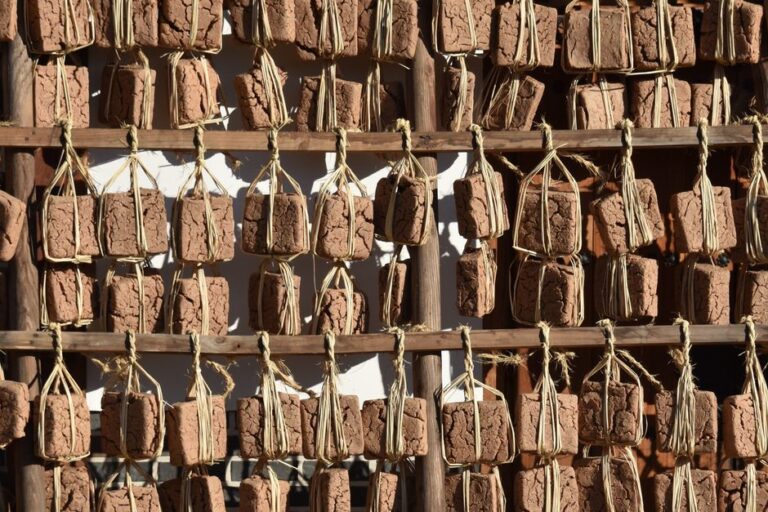
Everything starts with nuruk, the fermentation starter at the heart of makgeolli brewing. Nuruk is made by cultivating wild molds on wheat or rice. It hosts a variety of filamentous fungi — Aspergillus, Rhizopus, and Mucor, among others. These molds secrete amylase and glucoamylase enzymes, which break down the starch in rice into glucose. This process is called saccharification (dangwa, 糖化).
Yeast and Lactic Acid Bacteria: The Fermentation Duo
Once glucose is available, yeast — primarily Saccharomyces cerevisiae — gets to work, converting the sugars into ethanol and carbon dioxide (CO₂). That’s the alcoholic fermentation stage. At the same time, lactic acid bacteria of the Lactobacillus family produce organic acids, mainly lactic acid and malic acid, which give makgeolli its characteristic tang.
A single milliliter of makgeolli typically contains 10⁶ to 10⁸ CFU of live lactic acid bacteria and yeast. That’s why makgeolli is often called a “living drink.” It quite literally is.
Key Components of Makgeolli (per 100ml)
| Component | Content | Notes |
|---|---|---|
| Alcohol | ~6–8% | Commercial makgeolli standard; traditional versions can reach up to 15% |
| Total acidity (as lactic acid) | 0.2–0.5% | Primary source of sourness; indicator of lactic acid bacteria activity |
| Sugars (glucose, residual) | 1–3g | Determines sweetness; varies with degree of fermentation |
| Protein | ~0.5–1.0g | Source of amino acids; contributes to savory depth (umami) |
| Live bacteria and yeast | 10⁶–10⁸ CFU | Live cultures; refrigeration required |
How to Drink Makgeolli at Its Best: Temperature, Vessel, and Storage
1. Temperature — The Most Important Variable
The ideal drinking temperature for makgeolli is 4–8°C (39–46°F). At this range, the activity of yeast and lactic acid bacteria is sufficiently slowed, which preserves carbonation and keeps the balance between sweetness and acidity at its sharpest. Too cold — below 0°C — and aromatic compounds get suppressed. Too warm — above 20°C — and fermentation continues inside the bottle, causing the sourness to spike and carbonation to become uncomfortably aggressive.
On a hot summer day, dropping a single ice cube into your bowl is perfectly fine. Just don’t go overboard — too much ice dilutes the flavor and washes out the complexity.
2. To Shake or to Stir?
At the bottom of every makgeolli bottle, you’ll find a sediment of rice lees (jubak). This sediment is packed with protein, yeast, and unfermented starch — and it’s responsible for much of makgeolli’s rich, full flavor. Before you pour, gently invert and rotate the bottle 5 to 7 times to distribute the sediment evenly. Don’t shake it hard. A vigorous shake forces carbonation out all at once and leads to an overflow of foam when you open the cap. Traditionally, makgeolli was scooped from a large earthenware pot with a ladle, so mixing happened naturally. The idea is the same.
3. The Right Vessel — Why a Bowl Wins
Makgeolli has traditionally been drunk from a ceramic bowl (sabal). There’s real logic behind this. The wide opening allows volatile aromatic compounds — esters and organic acids — to reach your nose effectively. The thick ceramic material also holds the cold temperature longer than glass. If you’re using a glass, a slightly flared white wine glass shape does the best job of preserving and delivering makgeolli’s aromas.
4. Food Pairing — What Goes Best with Makgeolli?
The lactic acidity and natural carbonation in makgeolli cut right through the richness of oily foods. Classic pairings include pajeon (green onion pancake), dubu-kimchi (tofu with kimchi), and dotori-muk (acorn jelly). There’s science behind these combinations: the acidic components in makgeolli enhance umami when paired with protein-rich foods, creating a genuine synergistic effect on flavor.
On the other hand, chocolate and strongly spiced dishes tend to overwhelm makgeolli’s subtle, nuanced aromas. It’s better to leave those for a different drink.
Traditional Makgeolli Pajeon Recipe
Pajeon is makgeolli’s natural companion. Adding makgeolli directly to the batter isn’t just tradition — it’s smart cooking. The CO₂ produced by the live yeast lightens the batter, and the result is a crispier, airier pancake than you’d get with plain water. That’s the science behind why makgeolli pajeon has a better crunch.
Ingredients (serves 2)
- 1 cup (about 120g) pancake flour (buchimgaru)
- ¾ cup (about 150ml) makgeolli, kept cold
- 1 egg
- 8–10 stalks green onion or scallion
- 1 red chili pepper (optional)
- 100g squid or shrimp (optional)
- 3–4 tablespoons cooking oil
- Salt to taste
Steps
- Keep the makgeolli cold. Take it straight from the refrigerator. A cold batter limits gluten development, which is what gives you that crispy texture.
- Mix the batter. Combine the pancake flour, egg, and a pinch of salt. Pour the cold makgeolli in gradually, stirring as you go. The batter should be on the thin side — loose enough to pour and spread easily.
- Prep the toppings. Trim the green onions to fit your pan. If using seafood, cut it into bite-sized pieces.
- Heat the pan. Set your pan over high heat and add the oil generously. Once the oil is hot enough — at least 180°C (356°F) — lay the green onions across the pan in a single layer, then pour the batter evenly over the top.
- Cook the first side. Reduce to medium-high and cook until the bottom is golden and set, about 3–4 minutes. Flip carefully, then press down lightly with a spatula for extra crispiness.
- Finish and serve. Cook the second side for another 2–3 minutes. Transfer to a plate and serve with a dipping sauce made from soy sauce, rice vinegar, and red chili flakes.
How to Store Makgeolli: Keeping a Living Drink Alive
Because makgeolli contains live microorganisms, storage is not something to take lightly. Improper storage doesn’t just affect taste — it can cause bottles to over-pressurize or go sour quickly.
- Always refrigerate. Makgeolli must be kept cold at all times. Room temperature accelerates fermentation and rapidly increases acidity.
- Consume quickly after opening. Once opened, drink makgeolli within 2–3 days. The microbial activity continues after opening, and flavor changes noticeably within that window.
- Store upright. Keep the bottle standing upright to minimize contact between the cap and the liquid, which can affect flavor.
- Check the expiration date. Even unopened, most commercial makgeolli is best consumed within 10–30 days of production. Traditional, unpasteurized versions have an even shorter shelf life — often just a few days.
- Be careful with carbonation buildup. If you notice the cap bulging or the bottle feels very tight, open it slowly and carefully over a sink. Live yeast continues producing CO₂ even in the refrigerator.
Note: Information about live cultures and health effects in this article is for general educational purposes only and does not constitute medical advice.