Gochujang Guide: From Bibimbap to Tteokbokki
What Makes Gochujang So Versatile?
Is there any condiment in the Korean kitchen more adaptable than gochujang? This fermented chili paste is spicy, subtly sweet, and loaded with deep savory flavor all at once. It’s not just a seasoning — it’s the distilled essence of centuries of fermentation culture and food science. Think of that single spoonful of crimson paste stirred into a bowl of bibimbap, pulling every ingredient into harmony. That’s gochujang. Let’s dig into its world.
A Brief History and Cultural Background
Gochujang’s history is shorter than you might expect. Chili peppers themselves weren’t native to the Korean peninsula — they arrived after the Imjin War (1592–1598), most likely introduced through trade routes with Japan and Portugal. Before chilies, cooks relied on ingredients like Sichuan pepper and ginger to bring heat to dishes. But once the chili took root, Korean jang (fermented paste) culture changed dramatically.
The first written record of gochujang appears in Eumsik dimibang — wait, actually the earliest documented mention is from Sallim gyeongje (山林經濟), written by Hong Man-seon in 1715. After that, recipes appeared in cookbooks like Gyuhap chongseo (閨閤叢書) and spread quickly through everyday households across Joseon.
Regional identity shaped gochujang in fascinating ways. Sunchang, in South Jeolla Province, became so renowned for its gochujang that it was reportedly sent as tribute to the royal court. Today, Sunchang is practically synonymous with the paste itself. In the Gyeongsang region, gochujang tends to run saltier and darker. Cooks in Chungcheong Province traditionally made theirs with barley instead of glutinous rice, giving it a nuttier, earthier character. Gochujang isn’t a single food — it’s a living cultural artifact shaped by local climate, agriculture, and taste.
The Fermentation Science Inside Gochujang
What separates gochujang from an ordinary chili sauce is fermentation. The core ingredients are meju powder (fermented soybean), gochugaru (Korean chili powder), glutinous rice (or barley or wheat), salt, and water. Over several months, those ingredients undergo a cascade of biochemical reactions that transform raw materials into something far more complex.
Key Fermenting Microorganisms
Three main groups of microorganisms drive gochujang fermentation:
- Molds: Aspergillus oryzae (koji mold) and Aspergillus sojae produce enzymes — amylase and protease — that break down starches and proteins in the meju powder. This converts starch into sugars and proteins into amino acids, laying the groundwork for sweetness and umami.
- Lactic acid bacteria: Species like Lactobacillus plantarum and Leuconostoc mesenteroides generate organic acids (lactic acid, acetic acid) that create gochujang’s characteristic tang and depth of flavor while inhibiting the growth of harmful microorganisms.
- Yeasts: Saccharomyces cerevisiae and various Candida species carry out alcoholic fermentation, producing aromatic compounds that contribute to gochujang’s complex, layered fragrance.
Key Functional Compounds
Fermentation either produces or activates several bioactive compounds worth knowing about:
| Compound | Characteristics | Primary Source |
|---|---|---|
| Capsaicin | Primary source of heat; antioxidant activity | Gochugaru (chili powder) |
| Glutamic acid | Amino acid responsible for umami flavor | Protein breakdown in meju powder |
| Beta-carotene (β-Carotene) | Red pigment; antioxidant compound | Gochugaru (chili powder) |
| Organic acids (lactic, acetic) | Flavor development; improved preservation | Lactic acid bacteria fermentation |
| Isoflavones | Functional compounds derived from soy | Meju powder (soybean) |
As fermentation progresses, glutamic acid concentrations rise steadily as meju proteins break down — and that’s precisely why gochujang delivers so much more than raw heat. It carries real savory depth. The glutinous rice’s starches, cleaved by amylase into glucose and maltose, are what give gochujang its gentle, rounded sweetness. Some research, including studies reviewed by the Korea Food Research Institute, suggests that fermented gochujang may have antioxidant properties, though this should not be interpreted as a substitute for medical treatment or a prevention for any disease.
How to Use Gochujang: From Bibimbap to Tteokbokki
Gochujang is remarkable on its own. Combined with the right ingredients, it becomes extraordinary. Here are four of its most essential applications.
1. Bibimbap Gochujang Sauce
You can use gochujang raw in bibimbap, but stir-frying it with sesame oil and a touch of sugar (or oligosaccharide syrup) takes the flavor somewhere richer and more rounded. Heat gelatinizes the paste’s starches, creating a silky texture. The Maillard reaction kicks in too, adding a toasty, nutty note you simply can’t get from cold paste out of the tub.
2. Tteokbokki Sauce
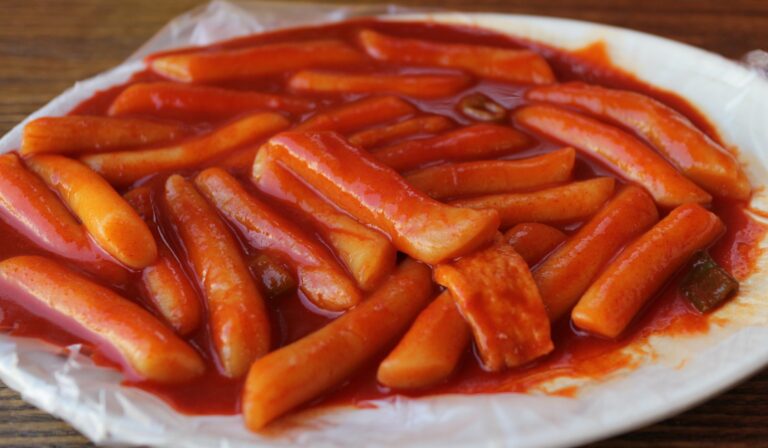
Tteokbokki — Korea’s beloved spicy rice cake dish — lives or dies by its gochujang base. The classic approach: gochujang for body, extra gochugaru for heat, soy sauce for saltiness, and sugar to balance everything out. A newer trend worth trying is adding a small spoonful of doenjang (fermented soybean paste) to the mix. It adds another layer of fermented complexity that goes surprisingly deep.
3. Gochujang Pork Belly Marinade
Marinating samgyeopsal (pork belly) in gochujang before grilling does two things at once. The sugars and amino acids in the paste trigger the Maillard reaction on the meat’s surface, building intense caramelized flavor. At the same time, capsaicin may support mild enzymatic breakdown of protein tissue, which can contribute to a more tender texture the longer the meat marinates. Don’t rush it — a few hours in the fridge makes a real difference.
4. Gochujang Pasta Sauce
Fusion cooking with gochujang has moved well past novelty. Paired with cream or tomato sauce, it creates a sauce that bridges Eastern and Western umami traditions. The science is elegant: gochujang’s glutamic acid and tomato’s glutamic acid work in synergy, stacking umami signals in a way food scientists sometimes call “umami synergy.” The result is a sauce that tastes richer than the sum of its parts.
Practical Recipe: Stir-Fried Bibimbap Gochujang Sauce
Store-bought gochujang is perfectly fine. But a quickly stir-fried seasoned version adds real depth to bibimbap, lettuce wraps, and a dozen other dishes. Here’s how to make it at home.
Ingredients (serves 4)
- 4 tablespoons gochujang
- 1 tablespoon sesame oil
- 1 tablespoon oligosaccharide syrup (or honey)
- ½ tablespoon sugar
- ½ tablespoon minced garlic
- 1 teaspoon sesame seeds
- 2 tablespoons water
Instructions
- Step 1: Preheat a pan over medium-low heat. Add the sesame oil. Sesame oil has a low smoke point, so keep the heat gentle — no high heat here.
- Step 2: Add the minced garlic and stir-fry for about 30 seconds until fragrant. Watch it carefully; burnt garlic will ruin the whole batch.
- Step 3: Add the gochujang and gradually stir in the water. Cook over low heat for 2–3 minutes, stirring constantly. This is where the raw, slightly sharp edge of the paste mellows and a toasty aroma develops.
- Step 4: Add the oligosaccharide syrup and sugar. Mix well and cook for another minute until the sauce looks glossy and cohesive.
- Step 5: Turn off the heat and stir in the sesame seeds. Let it cool slightly, then transfer to an airtight container. Stored in the refrigerator, it keeps well for up to 2 weeks.
Usage Tips
This sauce goes well beyond bibimbap. Use it as a filling for rice balls, a substitute for ssamjang with grilled meats, a dressing for cold buckwheat noodles, or a quick glaze for pan-fried tofu. If you’re making it for children, increase the oligosaccharide ratio relative to the gochujang — the sweetness dials the heat back nicely without losing the flavor base.
How to Choose and Store Gochujang
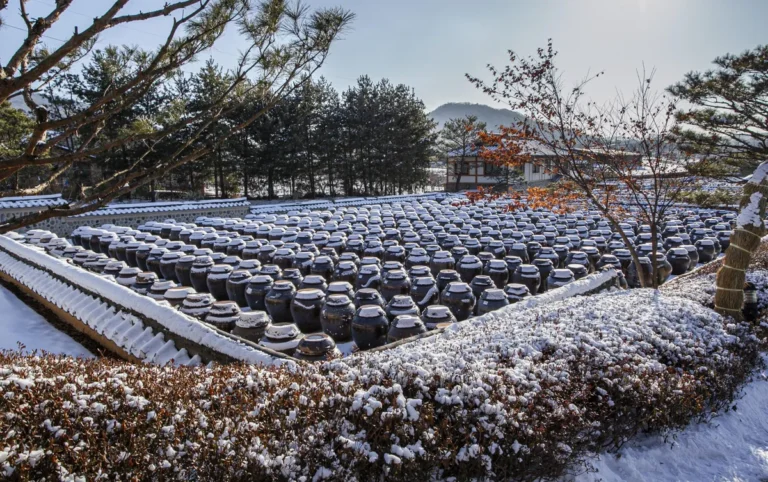
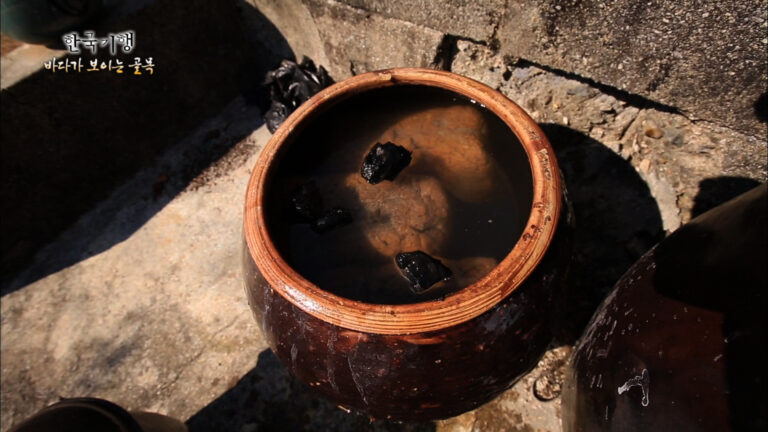
Commercial gochujang falls into two broad categories: traditionally fermented gochujang (재래식), aged over a long period in earthenware crocks, and mass-produced modern gochujang (개량식) made in factories. Traditional versions tend to be richer in lactic acid bacteria and beneficial microorganisms due to the extended fermentation, and the flavor is noticeably more complex — though the price reflects that. Mass-produced gochujang offers consistent quality and wide availability, which makes it practical for everyday cooking.
When buying, check the ingredient list on the label. Shorter, cleaner ingredient lists — ideally just glutinous rice, meju powder, chili powder, salt, and water — generally indicate a more traditional product. Once opened, keep gochujang tightly sealed in the refrigerator. The high salt content means it resists spoilage reasonably well, but refrigeration preserves both flavor and microbial quality far better than leaving it at room temperature.
This content is for informational purposes only and is not medical advice.