Gochujang vs. Gochugaru: Paste or Powder, and Why It Matters
Gochujang is a fermented paste; gochugaru is dried chili flakes. How they differ, whether you can swap one for the other, and how to store them.

Gochujang is a fermented paste; gochugaru is dried chili flakes. How they differ, whether you can swap one for the other, and how to store them.
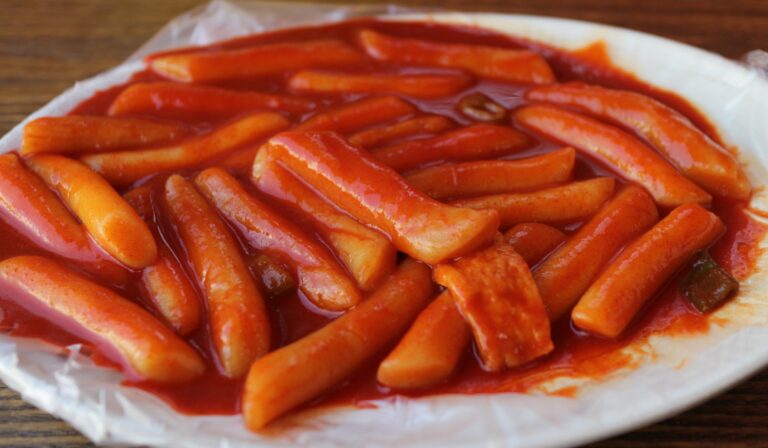
Why tteokbokki tastes the way it does: what fermentation has already done to the gochujang before it reaches the pan, and a basic recipe.

Chunjang is the dark fermented paste behind jajangmyeon. Its Chinese roots, what happens during fermentation, why it is fried first, and how to use it.
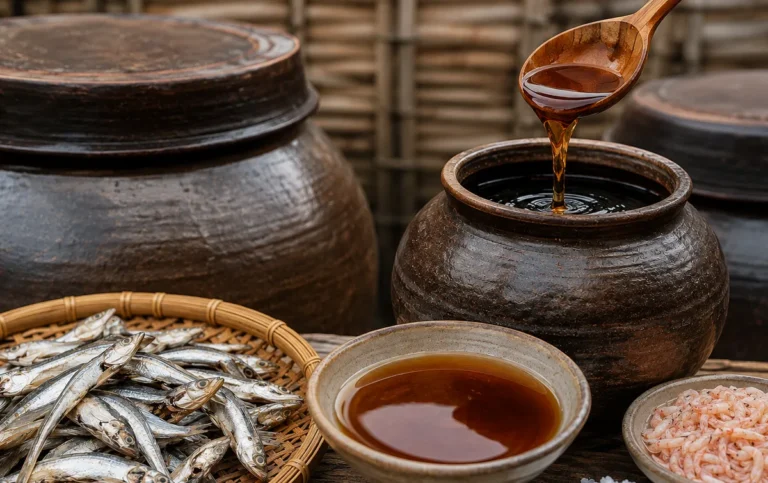
Korean fish sauce (eoganjang): its history in Korea, the biochemistry of fish fermentation, how it differs from soy sauce, and its role in kimchi.
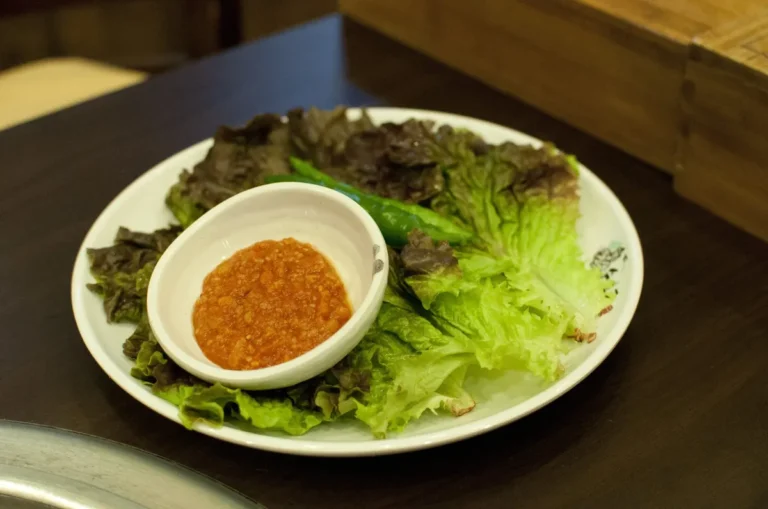
Makjang is a quick-fermented soybean paste from Korea’s Gyeongsang region. How it differs from doenjang, what goes into it, and how to make and use it.
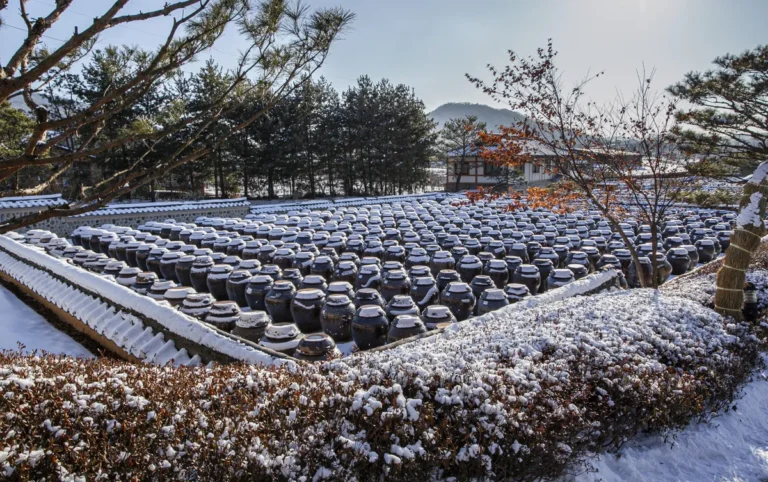
Joseon ganjang and brewed soy sauce are not interchangeable. How each is made, how they taste, and which one to use in which dish.

Ssamjang combines doenjang and gochujang. Its background, why it tastes so deep, a classic recipe for samgyeopsal, and how to store it.
How traditional gochujang fermentation turns rice, soybeans and chili into a complex Korean condiment, and how it is made at home.

Ganjang gejang, often called Korean fermented crab, is raw crab cured in soy sauce. Whether it is really fermented, what the safety research shows, who should avoid it, and a home recipe.

How to make doenjang jjigae at home: the doenjang fermentation behind its flavor, the core principles, and a step-by-step recipe.