Tteokbokki: Why Fermented Gochujang Makes It Taste Like That
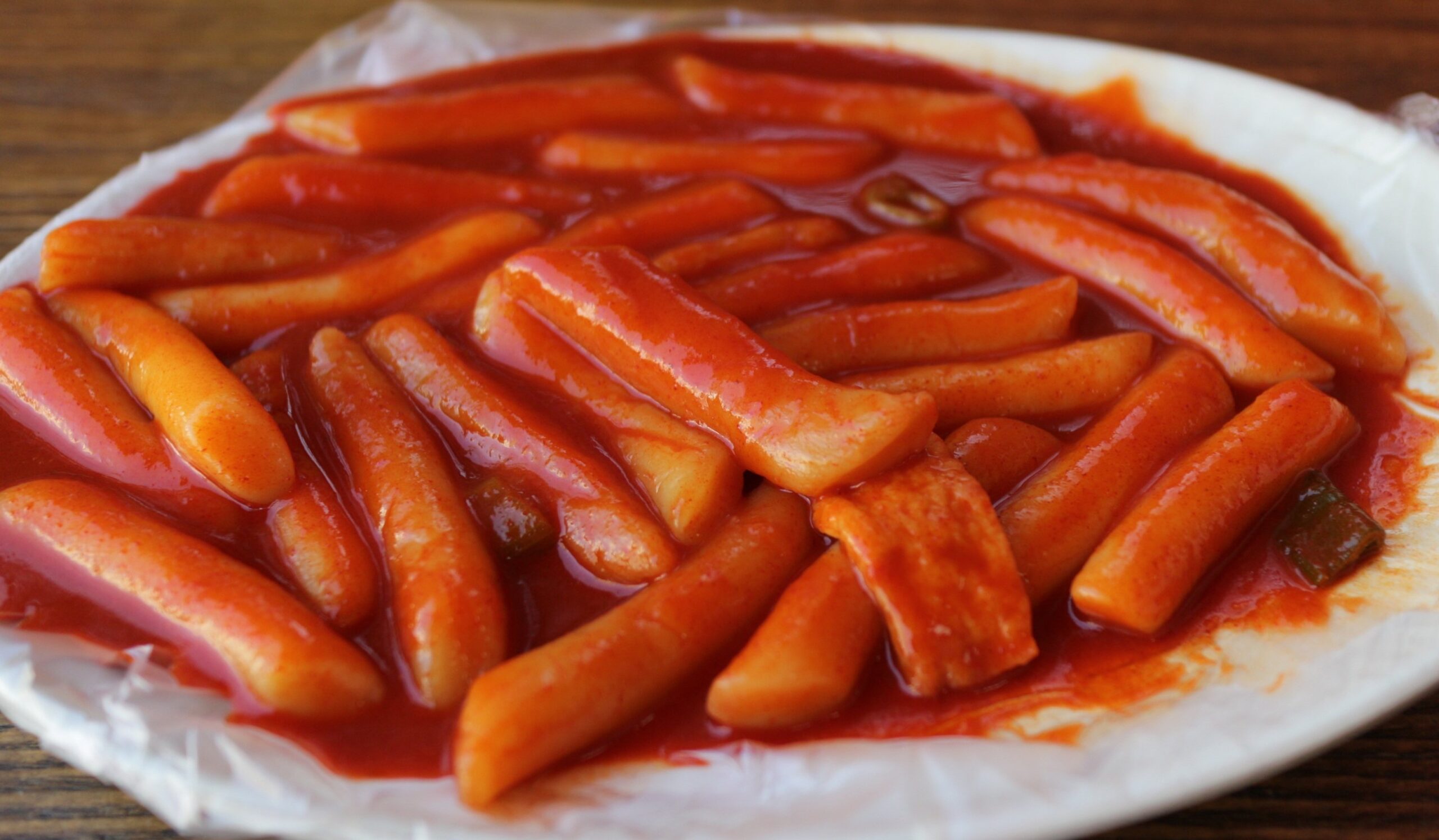
Tteokbokki is Korea’s most iconic street food. Chewy rice cakes swimming in a thick, red, sweet-spicy sauce that stains everything it touches. Millions of people eat it weekly. Almost none of them think about why it tastes the way it does.
The answer isn’t the rice cakes. It’s not the sugar. It’s the gochujang — a fermented chili paste that takes months to develop the flavor profile most people experience in under ten minutes at a street stall. That sauce is built on microbiology.
Gochujang Is Not Just Chili Paste
Walk into any Western grocery store and you’ll find gochujang next to sriracha and sambal oelek. Same shelf, same section, completely different products. Sriracha is a cooked chili sauce — vinegar, garlic, sugar, chili, and preservatives blended and bottled. No fermentation involved. Gochujang is a living paste that ferments for months to years.
Traditional gochujang starts with meju — fermented soybean blocks colonized by Aspergillus oryzae (koji mold). The meju is mixed with glutinous rice powder, gochugaru (dried red chili flakes), salt, and malt syrup, then packed into earthenware jars called onggi. These porous clay vessels allow gas exchange while keeping contaminants out. The paste sits outdoors — exposed to seasonal temperature swings — for a minimum of three months. Many artisanal producers age it for one to three years.
During fermentation, A. oryzae produces amylase enzymes that break down the glutinous rice starches into simple sugars. That’s where gochujang’s natural sweetness comes from — not from added sugar, but from enzymatic starch conversion. Simultaneously, lactic acid bacteria (primarily Lactobacillus and Pediococcus species) colonize the paste and generate organic acids that create the tangy undertone.
A 2016 study by Shin and Jeong in the Journal of Ethnic Foods analyzed the biochemical changes during gochujang fermentation and found that free amino acid content — the building blocks of umami — increased by over 300% during the first six months. Glutamic acid, the same compound responsible for the taste of MSG and aged parmesan, was the dominant amino acid produced.
So when you taste gochujang, you’re tasting three layers at once: sweetness from starch-to-sugar conversion, sourness from lactic acid fermentation, and umami from protein breakdown. Chili heat rides on top of all three. That’s a complexity no unfermented sauce can match.
The Tteokbokki Sauce Equation
Traditional tteokbokki sauce is simple: gochujang, gochugaru, sugar, soy sauce, water. That’s it. Some versions add garlic or anchovy stock. The magic isn’t in the recipe — it’s in what fermentation already did to the gochujang before you opened the container.
Here’s what happens when you cook tteokbokki sauce:
Phase 1 — Dissolution. Gochujang paste dissolves into the simmering broth. The starch from the glutinous rice base thickens the liquid naturally. This is why tteokbokki sauce gets glossy and clingy without adding cornstarch.
Phase 2 — Maillard reaction. As the sugar-rich sauce heats, amino acids and reducing sugars react to create new flavor compounds. This is the same reaction that browns bread crust and seared steak. In tteokbokki, it deepens the sauce from bright red to a darker, more complex caramel-red.
Phase 3 — Capsaicin release. Gochugaru’s capsaicin dissolves into the fat and liquid. The heat builds gradually because capsaicin is fat-soluble — it binds to lipids in the broth rather than hitting your tongue all at once. This is why tteokbokki burns slowly rather than punching you immediately like raw chili.
The rice cakes absorb this sauce as they cook. Garaetteok — the cylindrical rice cakes used in tteokbokki — are made from non-glutinous rice pounded into a dense, chewy mass. Their surface is porous enough to absorb sauce but dense enough to maintain chew. The contrast between the thick, sweet-spicy coating and the bland, elastic interior is what makes the dish work structurally.
Gochujang vs Gochugaru vs Store-Bought Sauce Packets
This matters because the version of tteokbokki you eat depends entirely on which chili product goes in the pot.
Gochujang-based (traditional): Deep, sweet, umami-forward. The sauce clings and coats. Fermentation provides complexity without requiring a long ingredient list. This is the version you get at old-school bunsik (Korean snack shops) and what Korean grandmothers make.
Gochugaru-based (modern street style): Brighter, sharper heat. No umami from fermentation — just raw chili flavor. To compensate, cooks add more sugar, corn syrup, and anchovy broth. This is the vivid red, soupy version you see at trendy tteokbokki franchises. It hits harder but fades faster.
Sauce packet (instant): Artificial sweeteners, chili extract, modified starch, MSG, and red coloring. No fermentation involved. The flavor is one-dimensional — sweet-hot with no depth. It’s engineered for consistency, not complexity.
The difference between a gochujang-based tteokbokki and a sauce-packet version is the difference between aged balsamic vinegar and balsamic-flavored syrup. Same color. Completely different product.
A 2020 study by Kim et al. in Food Science and Biotechnology compared consumer flavor perception of gochujang-based sauces versus non-fermented chili sauces. Participants consistently rated fermented versions higher for “depth,” “aftertaste complexity,” and “overall satisfaction,” even when they couldn’t identify why they preferred them.
How to Make Gochujang Tteokbokki at Home
This recipe uses gochujang as the primary flavor driver. No gochugaru needed — the paste does the work.
Ingredients (serves 2):
- 400g garaetteok (cylinder rice cakes)
- 2 cups anchovy-kelp stock (or water — stock is better)
- 2 tablespoons gochujang
- 1 tablespoon soy sauce
- 1 tablespoon sugar (or rice syrup)
- 2 cloves garlic, minced
- 1 stalk green onion, sliced
- 1 sheet eomuk (fish cake), cut into triangles — optional
- 1 hard-boiled egg — optional
Anchovy-kelp stock (5 minutes):
Boil 2.5 cups water with 6-8 dried anchovies (heads and guts removed) and one 10cm piece of dried kelp. Simmer 5 minutes. Remove solids. Done. This gives the sauce its savory backbone.
Steps:
- Soak rice cakes in cold water for 10 minutes if using refrigerated ones. Skip if freshly made.
- Bring 2 cups stock to a boil in a shallow pan.
- Add gochujang, soy sauce, sugar, garlic. Stir until gochujang fully dissolves.
- Add rice cakes and eomuk. Bring back to a boil, then reduce to medium heat.
- Simmer 8-10 minutes, stirring occasionally. The sauce thickens as the rice cake starch leaches out.
- When the sauce coats the back of a spoon and the rice cakes are soft and chewy — not mushy — it’s done.
- Top with green onion and hard-boiled egg.
The critical detail: Don’t overcook the rice cakes. They go from chewy to gummy to dissolved in a narrow window. Start checking at 7 minutes. Pull the pan off heat when they still have resistance when you bite through.
Stock shortcut: If you skip the anchovy-kelp stock and use plain water, add an extra half tablespoon of soy sauce. You’ll lose some depth but it still works.
Three Things Most People Don’t Know
1. Traditional gochujang contains no added sugar. The sweetness comes entirely from enzymatic starch conversion during fermentation. Commercial gochujang brands add corn syrup, rice syrup, or sugar because they shorten fermentation time from months to weeks. If you flip the jar over and corn syrup is the second ingredient, you’re eating a shortcut product. Look for brands where the ingredient list starts with red pepper powder, glutinous rice, and meju — that’s the real thing.
2. Onggi jars aren’t just tradition — they’re technology. The microporous clay walls allow oxygen and moisture exchange at a rate that precisely controls aerobic and anaerobic microbial activity. A 2017 study by Song et al. published in the Journal of the Korean Society of Food Culture found that gochujang aged in onggi developed significantly higher free amino acid concentrations than identical batches aged in plastic or glass containers. The vessel isn’t decorative. It’s a bioreactor.
3. Tteokbokki wasn’t always spicy. The original version — gungjung tteokbokki, or “royal court tteokbokki” — used soy sauce, sesame oil, and beef. No chili at all. Chili peppers didn’t arrive in Korea until the 16th or 17th century via Portuguese or Japanese trade routes (historians still debate which). Gochujang as we know it emerged after chili became a staple crop. The red, spicy tteokbokki that defines Korean street food today is a 20th-century invention — likely popularized in the 1950s in Seoul’s Sindang-dong neighborhood, which still has a tteokbokki alley today.
Why This Matters for Fermentation
Tteokbokki is a case study in how fermentation transforms a simple dish into something people crave. Without gochujang’s months of microbial activity, tteokbokki is just rice cakes in sugar-chili water. With it, you get a sauce that carries sweetness, acidity, umami, and heat in a single spoonful — layers that no amount of mixing raw ingredients can replicate.
Every street food vendor in Korea who ladles that red sauce over rice cakes is serving the end product of a fermentation process that started months before the customer walked up. The crave factor isn’t accidental. It’s biochemistry.
This content is for informational purposes only and is not medical advice.