Gochujang Secrets: The Fermentation Behind the Heat
Every Korean household has gochujang in the fridge. You stir a spoonful into rice and that’s lunch sorted. But how many people actually know what gochujang is? Most stop at spicy, salty, red. That’s where the description ends.
Gochujang is not a simple condiment. It belongs alongside doenjang and ganjang as one of Korea’s three foundational fermented pastes. It ages for months — sometimes years — and that time builds layers of flavor that go far beyond heat. The process is genuinely fascinating.
This article breaks it all down: how gochujang ferments, what’s actually happening inside the jar, and practical tips you can use whether you’re making it from scratch or just trying to pick a better one off the shelf.
How Gochujang Actually Ferments
Three core ingredients drive gochujang: gochugaru (red chili powder), meju powder (fermented soybean powder), and glutinous rice or another grain. Salt and water round it out. Simple on paper. What happens after you combine them is anything but.
Fermentation moves in two directions simultaneously. Protein breakdown and carbohydrate breakdown.
Meju powder is concentrated soybean protein. Enzymes produced by microorganisms — biological catalysts that break apart proteins — go to work on that protein and produce amino acids. The standout among them is glutamic acid, the amino acid responsible for umami. That deep, savory undertone in good gochujang comes from here. The heat gets the attention, but umami is the foundation it sits on. Without it, you just have a spicy paste.
The glutinous rice or barley does something different. Enzymes convert the starches into sugars, which creates sweetness. That sweetness acts as a counterweight to the salt and the heat. The three flavors hold each other in check. The balance is the point.
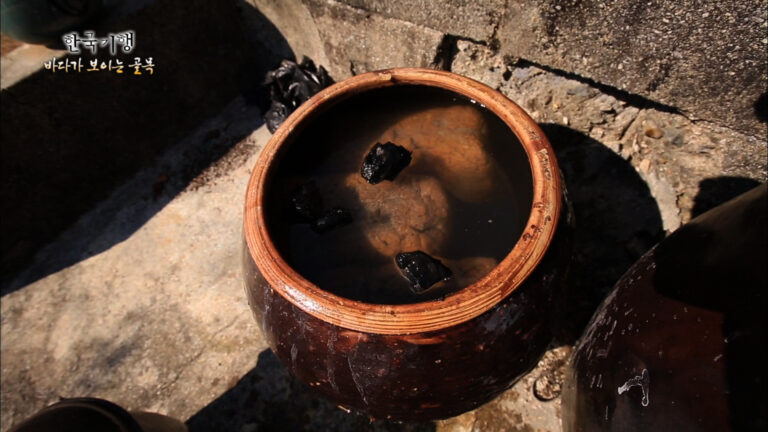
Temperature and time are the deciding variables. The traditional method is to pack the paste into an earthenware jar and leave it outdoors in the sun. Temperatures rise during the day and fall at night. That daily cycling accelerates fermentation in a way that a flat, controlled temperature simply doesn’t replicate. Too hot and the microorganisms die. Too cold and they go dormant. The fluctuation itself is what creates richness.
This is exactly why factory-made gochujang and traditionally fermented gochujang taste different. Same ingredients, fundamentally different results. Speed and control versus time and natural variation.
Tip 1: Meju Powder Quality Decides Half the Outcome
When homemade gochujang falls flat, most people blame the recipe — wrong ratios, too much water. The real culprit is almost always the meju powder.
Meju powder is made by drying and grinding fermented soybean blocks (meju) left over from making doenjang. Quality varies enormously. Well-fermented meju powder is covered with dense white mycelium — the thread-like structures that fungi grow when they colonize a substrate. Those fungi are the main fermentation agents. They drive the whole process.
Powder made from underfermented meju looks pale and smells bland. Use it and you’ll get a flat paste no matter how good your chili powder is. The fermentation just isn’t there to develop depth.
When selecting meju powder, look for a deep yellow-brown color and a smell that’s nutty, savory, and slightly funky. Pale color or almost no smell are both signs to walk away.
This principle applies to buying commercial gochujang too. Check the ingredient list. The closer meju powder appears to the top, the higher its proportion — and the stronger the fermented flavor. Some products substitute soybean flour or wheat flour for meju powder to cut costs. They’re cheaper. They also taste shallower. It’s not just a flavor difference; it’s a difference in fermentation depth.
Tip 2: Chili Powder Grind Size Affects How It Ages
Most people grab whatever gochugaru is available and toss it in. Grind size rarely crosses anyone’s mind. It should.
Coarsely ground gochugaru — the rough-textured kind often sold as “taeyang-cho” (sun-dried chili) powder — gives you vivid color and bold heat upfront. As aging progresses, the color deepens and the heat rounds out. The chili’s compounds release slowly into the paste over time.
Finely ground gochugaru integrates quickly and produces uniform color and flavor from the start. The tradeoff is that the color tends to dull and cloud over time. Fine grind is fine if you plan to use the gochujang within a few months. For anything you’re aging six months or longer, mixing in some coarse grind makes a real difference.
Traditional recipes frequently call for a blend of the two. A common ratio is 70% fine to 30% coarse. The fine powder establishes the base color and taste. The coarse powder contributes complexity that only emerges through long aging.
One more thing. There’s a strong belief that Korean-grown taeyang-cho is mandatory. It isn’t strictly necessary — but domestically grown Korean chili does offer a well-balanced sweetness-to-heat ratio and clean, vivid color. Imported chili can run hotter and duller. If it’s your first time making gochujang, starting with Korean-grown chili powder reduces the margin for error.
Tip 3: How You Manage the Lid Shapes the Final Flavor
A lot of people fill the jar, seal it, and forget about it. The aging stage actually requires some attention. Lid management in particular matters more than most people realize.
Traditional earthenware jars are covered with hanji (Korean mulberry paper) tied down with string. Not sealed airtight — deliberately. During fermentation, microbial activity produces gases. Those gases need to escape. A completely airtight seal traps them, which can push fermentation in the wrong direction and alter the flavor.
Leave it too open, though, and you risk contamination from outside or excessive drying. When the surface of gochujang dries out and crusts over, the fermentation underneath becomes uneven.
If you’re using a glass jar or a modern container, slightly loosened lids work well — or lay a piece of hanji or a thin cloth over the mouth before resting the lid on top. Every two to three weeks, stir the paste thoroughly from bottom to top. Fermentation moves at different speeds at different depths, and mixing it out keeps the flavor uniform.
Sun exposure matters too. The traditional practice of placing jars in a sunny spot isn’t only about temperature cycling. UV exposure from sunlight provides some surface sterilization, which helps prevent unwanted mold from taking hold on the surface. If you’re making gochujang in an urban apartment, a south-facing balcony that gets direct sun is your best option.
Traditional Homemade Gochujang: A Basic Recipe
Theory only goes so far. Here’s a working recipe you can actually follow. This quantity produces enough gochujang for a family of three to four to use over roughly six months.
Ingredients
- Glutinous rice flour: 500g
- Meju powder: 200g
- Gochugaru (coarse): 150g
- Gochugaru (fine): 350g
- Yeotgireum powder (malted barley powder): 100g
- Sea salt (natural sun-dried): 150g
- Water: 1 liter
Steps
- Add water gradually to the glutinous rice flour, kneading as you go until you have a firm, cohesive dough. Work it until it becomes sticky and elastic.
- Transfer the dough to a pot and cook over low heat, stirring constantly, until it turns translucent and develops a thick, gluey consistency. This is the sweet base of your gochujang.
- While the glutinous rice paste cools, dissolve the malted barley powder in 300ml of water and let it sit for 30 minutes. Strain through a fine sieve and keep only the liquid.
- Combine the cooled glutinous rice paste with the malted barley liquid in the pot and return to low heat. Stir slowly and continuously until the mixture thins slightly and sweetness intensifies. This is saccharification — the process by which starch converts to sugar.
- Remove from heat and let the mixture cool completely. Adding chili powder while it’s still warm will muddy the color and create uneven fermentation.
- Once fully cooled, stir in the meju powder. Break up any lumps and mix until smooth and fully incorporated.
- Add the gochugaru — coarse first, then fine — and mix well. Adjust the consistency by adding small amounts of water. You’re aiming for a paste that falls off a spoon in thick, slow drops.
- Add the salt and taste for seasoning. It should taste noticeably salty at this stage. That intensity mellows significantly during aging.
- Pack into a sterilized earthenware jar or glass container. Smooth the surface flat, then dust lightly with a thin layer of salt to help seal the top layer.
- Cover the mouth with hanji or a clean muslin cloth, tie it down, and place in a sunny spot. Age for a minimum of three months; six months or more is preferable.
Taste it at the three-month mark. The meju smell will likely still be assertive. By six months, it settles into the background and the flavor becomes noticeably smoother and more complex. A year-old batch is essentially a different food from what you started with.
Seeing Only the Heat Means Missing Half of Gochujang
Calling gochujang “spicy and salty” is a half-finished description. It’s a fermented food built from time. Capsaicin — the compound that delivers the heat — sits at the surface. Underneath it are layers of umami from amino acids, sweetness from saccharification, and the complex aromatic compounds that only long fermentation produces.
Why commercial gochujang and traditional gochujang taste different. Why an older jar from the same brand consistently outperforms a fresher one. It all comes back to fermentation depth.
Even if you never make it yourself, read the label more carefully next time. Fermentation period, meju powder content, additives. Those three data points alone will lead you to a noticeably better product.
And if you can, make a batch at home. Waiting six months is not easy. But when you open that jar and get the first smell — fermentation that’s alive and working — that experience teaches you more about what gochujang actually is than any article can. It’s the fastest way to understand it for real.
A Note on Nutrition and Health
Gochujang is a high-sodium fermented food. A single tablespoon can contain a significant portion of the daily recommended sodium intake. The World Health Organization recommends consuming less than 2,000mg of sodium per day for adults. Use gochujang in appropriate amounts within a balanced diet.
Some research has explored the potential effects of fermented foods on gut microbiota. A 2021 study published in Cell (Wastyk et al.) found that a diet high in fermented foods may help increase microbiome diversity and modulate immune markers. That said, these findings are preliminary and apply to fermented foods broadly — not specifically to gochujang. No health claims are made here, and gochujang should not be used in place of medical treatment for any condition.
If you have hypertension, kidney disease, or any other condition that requires sodium restriction, consult a qualified healthcare professional before increasing your gochujang intake.
⚠ Disclaimer: This content is for informational purposes only and is not medical advice. The fermentation information and recipe included here are shared for educational purposes. Always consult a licensed medical professional regarding dietary choices related to any health condition.