Joseon Ganjang vs Brewed Soy Sauce – Which to Use
Joseon Ganjang vs Brewed Soy Sauce: Which One Wins?
There are two soy sauces in a Korean kitchen, and they are not interchangeable. Joseon ganjang is light, salty, and made from a single fermentation cycle. Brewed soy sauce is darker, sweeter, and industrially produced. Using the wrong one will quietly ruin a dish.
One is ancient. One is industrial. Both are legitimate. Understanding the difference will change how you cook Korean food, full stop.
What Joseon Ganjang Actually Is
Joseon ganjang — sometimes called guk ganjang, or soup soy sauce — is the byproduct of making doenjang. When soybeans are fermented into meju blocks and then submerged in salted brine, two things happen simultaneously. The solids become doenjang. The liquid becomes joseon ganjang. They share the same fermentation vessel. They share the same microbial history. You cannot fully understand one without the other.
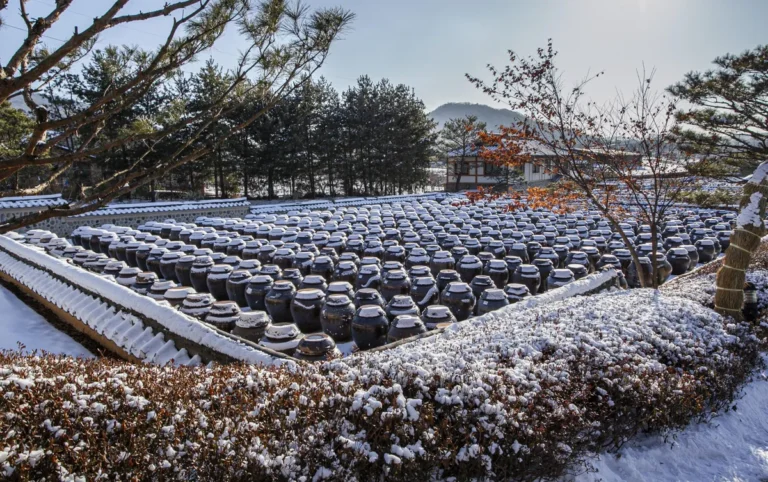
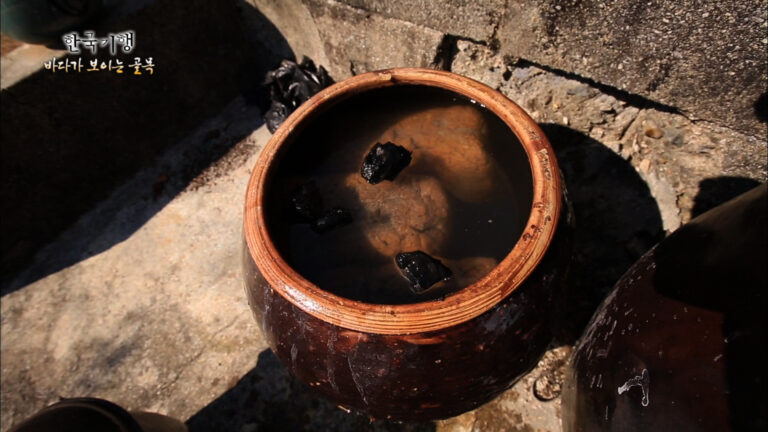
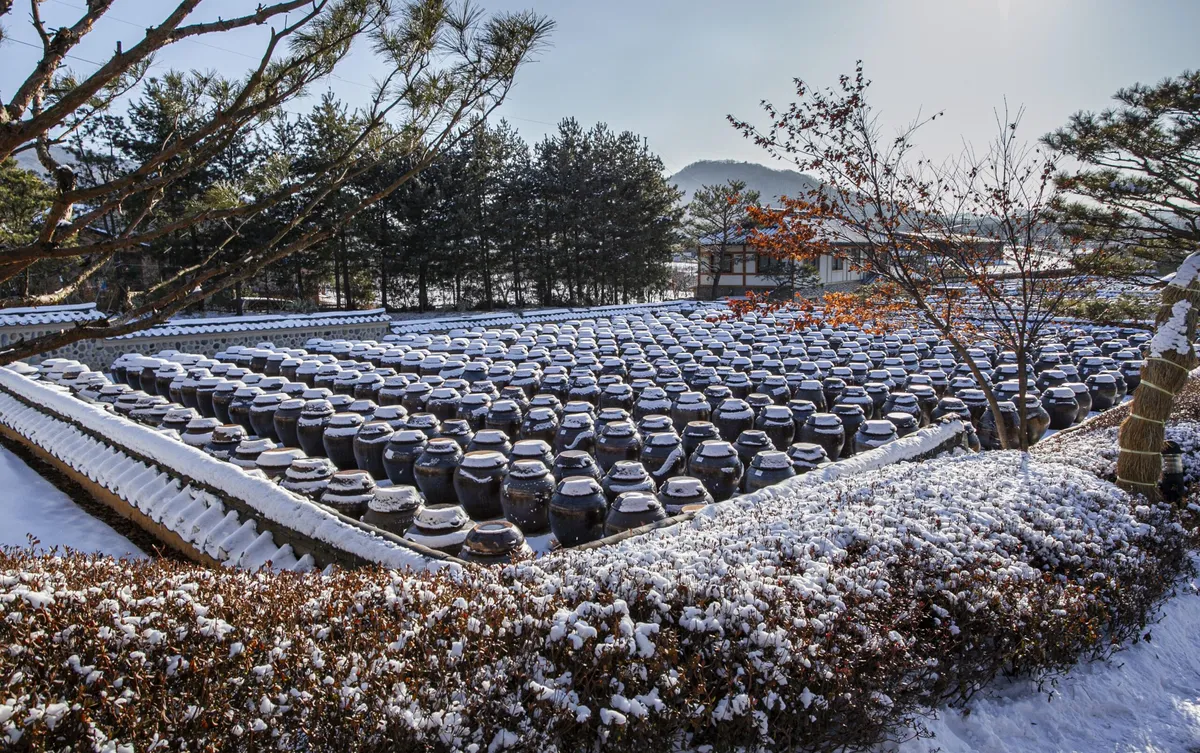
The process is old. Like, centuries old. Households across the Korean peninsula were making this stuff long before industrial fermentation was even a concept. The meju is formed, dried, inoculated with wild molds — primarily Aspergillus oryzae and Bacillus subtilis — and then aged in onggi, the traditional earthenware crocks you still see in rows on rooftop terraces and in courtyards of older Korean homes. After months of aging, the liquid gets separated and then continues to age on its own, sometimes for years. The longer it ages, the darker and more concentrated it becomes.
What you end up with is something that tastes nothing like Japanese shoyu or Chinese soy sauce. Joseon ganjang is intensely salty — we’re talking sodium levels that make you sit up straight. It has a funkiness to it, a complexity that comes from that wild fermentation. It’s thinner in body. It’s lighter in color than you’d expect from something so pungent. And it has a distinctly earthy, almost smoky depth that you simply cannot fake with anything else.
Traditional joseon ganjang is also significantly higher in sodium than brewed soy sauce. A single tablespoon can carry well over 1,200 mg of sodium, sometimes more depending on the producer and age. The American Heart Association recommends no more than 2,300 mg of sodium per day for most adults, with an ideal target of 1,500 mg for those managing blood pressure. Keep that number in mind when you’re seasoning aggressively with joseon ganjang. A little goes a long way. More than you think is too much.
What Brewed Soy Sauce Is (And Why Koreans Use It Too)
Brewed soy sauce — called yangjo ganjang in Korean culinary contexts — refers to soy sauce made through a controlled industrial fermentation process, typically using a mixture of soybeans and wheat, with Aspergillus strains introduced under monitored conditions. Japanese shoyu, most commercial Korean soy sauces, and international brands like Kikkoman all fall into this category.
This style of soy sauce arrived in Korea more prominently during the Japanese colonial period, and it stuck. It’s sweeter, milder, and more umami-forward in a rounded, approachable way. The wheat content adds a subtle sweetness that joseon ganjang doesn’t have. It’s darker in color, thicker in consistency, and smells more familiar to people raised on global food culture.
Here’s the key practical distinction: yangjo ganjang is the soy sauce you use for marinades, dipping sauces, braised dishes like jangjorim, and most stir-fries. It’s the soy sauce that shows up in bulgogi marinades, in japchae, in ddeokbokki variations. It performs beautifully in high-heat situations because its sugars caramelize and deepen the flavor of the dish. It’s a team player.
Joseon ganjang is not a team player. It’s a soloist. It dominates.
One specific tip that changes everything: joseon ganjang is the correct choice for seasoning soups and doenjang jjigae at the end of cooking. The reason is subtle but real. When you add yangjo ganjang to a finished soup, especially one that’s been simmering for a while, the wheat-derived sweetness can throw off the balance and make the broth taste slightly off — rounder when it should be sharp. Joseon ganjang keeps the broth clean and savory without muddying it with sweetness. This is why it’s called guk ganjang. Guk means soup.
Three Things Most People Get Wrong
One: Using yangjo ganjang in doenjang jjigae as the seasoning salt. This is the most common mistake in Western kitchens adapting Korean recipes. The doenjang paste itself is deeply savory and fermented. When you add yangjo ganjang to finish the seasoning, you introduce a sweetness that competes with the paste’s sharpness rather than extending it. The result is a jjigae that tastes muddled. Use joseon ganjang to adjust salinity in that dish. Taste the difference once and you’ll never go back.
Two: Treating joseon ganjang as a dipping sauce. It’s not. The salt concentration is too aggressive for direct dipping. When you see a recipe asking you to season a dish with joseon ganjang and the amounts seem absurdly small — like half a teaspoon — believe it. Start with less than you think you need, wait, taste, adjust. Joseon ganjang doesn’t bloom immediately the way yangjo ganjang does. It needs a moment to integrate.
Three: Ignoring the age of joseon ganjang. Commercially available joseon ganjang ranges from relatively young (six months to a year) to considerably aged (three to five years or more). The difference is enormous. Young joseon ganjang is sharper, saltier in a raw way, and more aggressive. Aged joseon ganjang develops a complexity — a nearly caramel-like roundness beneath all that salt and funk — that makes it genuinely special. If you’re buying it for the first time, look for labels that indicate aging time. If you’re near a Korean specialty market, ask. The staff will know.
A fourth thing, since we’re here: joseon ganjang is not the right choice for cold dishes where it won’t be integrated by heat. Namul — seasoned vegetable side dishes — typically call for yangjo ganjang or a light soy sauce because the dish is served as-is. The raw punch of joseon ganjang can overwhelm delicate vegetables like kongnamul or sigeumchi without the buffer of cooking to soften it.
The Fermentation Science Behind the Difference
The functional differences between these two soy sauces come down to microbiology and chemistry. Joseon ganjang’s wild fermentation introduces a broader and less controlled range of microorganisms. The Bacillus subtilis strains active in meju fermentation produce nattokinase and other enzymes, along with compounds like pyrazines and furanones that contribute to that characteristic earthiness and depth. The amino acid profile of traditionally fermented joseon ganjang is distinct — high in glutamic acid, which drives umami, but the presence of other free amino acids from the extended wild fermentation creates a more complex flavor matrix.
Yangjo ganjang, by contrast, is produced with controlled Aspergillus-driven fermentation, typically for a shorter duration. The wheat adds fructose and glucose that contribute sweetness and promote Maillard reactions during cooking. The result is a more predictable, consistent product with a cleaner umami hit and less of the fermented funk.
Research published in the Journal of Microbiology and Biotechnology has examined the microbial diversity of traditionally fermented Korean soy sauce and noted significant differences in bacterial communities compared to industrially produced versions, with traditionally fermented products showing higher microbial diversity overall. Some research also suggests that traditionally fermented soy-based products may support gut microbiome diversity, though the clinical evidence in humans remains limited and more research is needed. The key word is “may” — these are preliminary signals, not health claims.
What is clearer is the sodium situation. Both soy sauce types carry significant sodium loads. People managing hypertension, kidney disease, or cardiovascular conditions should discuss soy sauce consumption with a healthcare provider. The American Kidney Fund specifically flags high-sodium fermented condiments as worth monitoring for those with kidney concerns.
A Practical Recipe: Doenjang Jjigae Seasoned the Right Way
If you want to experience the difference firsthand, make this. It’s a standard doenjang jjigae but seasoned deliberately with joseon ganjang at the end rather than yangjo ganjang.
Ingredients (serves 2-3)
- 5 cups anchovy-kelp stock (made with 10 dried anchovies and a 4-inch piece of dried kelp, simmered 15 minutes, strained)
- 3 tablespoons doenjang paste
- 1 teaspoon gochujang (optional, for depth)
- 1 block firm tofu, cut into 1-inch cubes (about 300g)
- 1 medium zucchini, halved lengthwise and sliced into half-moons
- 1 medium potato, peeled and cut into 1-inch chunks
- 4 shiitake mushrooms, stems removed, caps sliced
- 4 cloves garlic, minced
- 1/2 white onion, roughly chopped
- 2 teaspoons sesame oil
- 1-2 teaspoons joseon ganjang (for final seasoning — start with one)
- 1 green chili, sliced (optional)
- 1 green onion, sliced (for garnish)
Steps
- Bring the anchovy-kelp stock to a simmer over medium-high heat in a heavy pot or stone pot (dolsot if you have one).
- Add the doenjang paste and gochujang directly to the simmering stock. Use the back of a spoon or a small whisk to dissolve the paste fully. Don’t rush this step — undissolved chunks of doenjang will create uneven salt pockets in your final dish.
- Add the potato chunks first since they take longest. Simmer for 5 minutes.
- Add the onion and garlic. Simmer another 3 minutes.
- Add zucchini and mushrooms. Simmer 4 minutes.
- Add the tofu cubes. Simmer gently for another 3-4 minutes. Don’t stir aggressively or the tofu will crumble.
- Taste the broth. It should be savory and deeply fermented but not quite salty enough yet. Add sesame oil.
- Now add 1 teaspoon of joseon ganjang. Stir gently. Wait 60 seconds. Taste again. The soup should sharpen noticeably — the brininess lifts without adding sweetness. If it still needs salt, add the second teaspoon. Stop there.
- Add sliced green chili if using. Remove from heat.
- Garnish with green onion. Serve immediately with steamed rice.
The joseon ganjang in step 8 is doing something specific: it’s extending the salt and umami of the doenjang without altering the fermented character of the broth. Try making this same recipe with yangjo ganjang in that step and compare. The difference is real and noticeable.
Sodium note: One serving of this jjigae contains significant sodium from both the doenjang and the joseon ganjang. If you’re watching sodium intake, reduce the doenjang to 2 tablespoons and skip the joseon ganjang entirely, seasoning with a very small pinch of salt instead.
Which One Should You Buy First?
If you’re building a Korean pantry from scratch, buy yangjo ganjang first. It’s more versatile, more forgiving, and works across a wider range of dishes. A bottle of Sempio 501 or a similar Korean-brand brewed soy sauce will carry you through bulgogi, japchae, stir-fries, dipping sauces, and most applications you’ll encounter in everyday Korean home cooking.
Once you’ve got that covered, seek out joseon ganjang. Look for it at Korean specialty markets — H Mart typically carries it. Brands like Sempio and Chungjungone both make commercially available versions, though if you can find a small-batch or traditionally produced version from a specialty importer, the difference in quality is worth the price. Expect to pay more. The fermentation time alone justifies it.
Store joseon ganjang in a cool, dark place. It doesn’t need refrigeration, but it does need to be kept away from heat and light. It will continue to age slowly in the bottle. That’s not a flaw — it’s a feature. A bottle you opened six months ago will taste slightly different than it did when you first opened it. Deeper. A little more rounded. That’s the fermentation still working.
The final takeaway is simple: these are two different tools. One is for depth of field. One is for precision. Learn which is which, and your Korean cooking will make a noticeable jump in quality that you’ll feel every single time you sit down to eat.
This content is for informational purposes only and is not medical advice.