Ssamjang Recipe: Make Your Samgyeopsal Unforgettable
The Soul of Korean BBQ
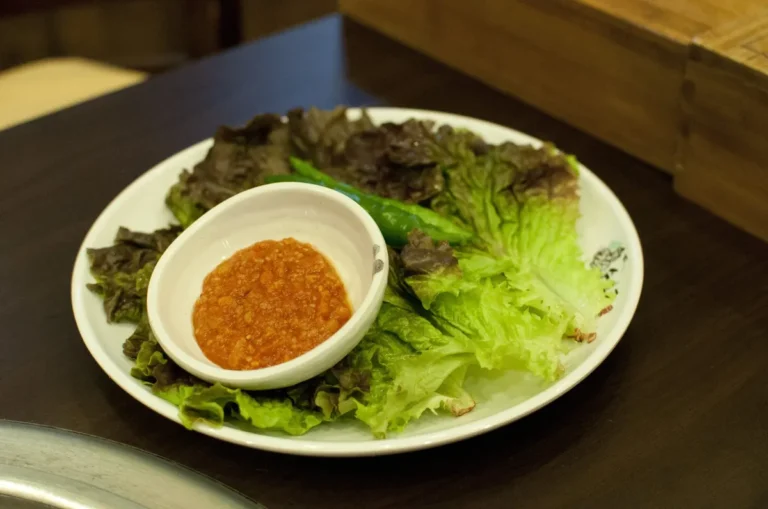
There’s one thing you simply cannot grill samgyeopsal without. Ssamjang. It’s more than a dipping sauce — it’s a concentrated expression of thousands of years of Korean fermentation wisdom. The deep, funky complexity of doenjang meets the sweet heat of gochujang, cutting right through the richness of pork belly. Wrapped up with fresh greens, it creates a flavor experience that every Korean person knows in their bones. Today we’re going deep: the history, the fermentation science, and a recipe that will genuinely elevate your next BBQ night.
A Brief History of Ssamjang
Ssamjang’s roots reach back to Korea’s ancient jang (醬) culture. Records of doenjang and gochujang appear in texts from the Three Kingdoms period, placing fermented pastes at the very center of Korean food culture for well over a millennium. The word “ssamjang” as a distinct term didn’t really enter mainstream use until the mid-twentieth century, but the practice of eating ssam with a seasoned fermented paste goes back much further — it was simply everyday life.
The ssam tradition is deeply tied to Korean agrarian society. Farmers working in the fields would wrap vegetables around a smear of doenjang for a quick, sustaining meal. That humble habit eventually evolved into one of the defining elements of modern Korean dining culture. When the samgyeopsal grill restaurant boom exploded in the 1980s and 90s, ssamjang rose with it — and the commercial ssamjang market was born during exactly that era.
The Fermentation Science: Why Does It Taste So Deep?
How Doenjang Works
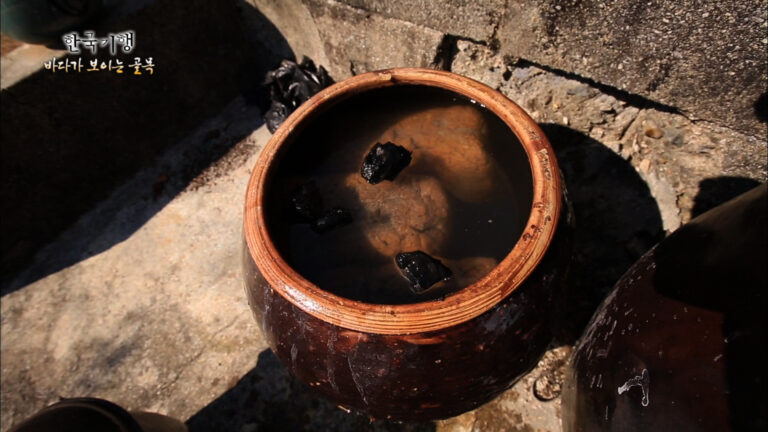
Doenjang is the backbone of ssamjang. Made primarily from soybeans, it’s the product of a complex microbial community: Aspergillus oryzae (koji mold), Bacillus subtilis, and various lactic acid bacteria all working together. During fermentation, protease enzymes break down soy proteins into amino acids. That process generates abundant glutamic acid and aspartic acid — the compounds responsible for umami.
Glutamic acid in doenjang directly stimulates the T1R1/T1R3 umami receptors on your tongue, amplifying the overall flavor of everything it touches. That’s the scientific reason why ssamjang makes grilled meat taste richer. The longer the doenjang has aged, the higher the amino acid content — so using a traditionally fermented, long-aged paste makes a real, measurable difference in your ssamjang’s depth.
What Gochujang Brings to the Paste
Gochujang is its own complex fermented food: glutinous rice, gochugaru (Korean red pepper flakes), meju powder, and salt, all fermented together. The capsaicin in gochujang binds to the fat compounds in pork belly, counteracting that heavy, greasy sensation. The organic acids produced during fermentation add brightness and complexity. And the natural sugars from the glutinous rice mellow out the saltiness of the doenjang while adding a gentle sweetness.
Why Ssamjang and Samgyeopsal Are Perfect Together
- Fat-digesting enzymes: Lipase enzymes in doenjang help break down the saturated fat in pork belly, making the meal easier to digest.
- Complementing the Maillard reaction: The nutty, savory aroma from grilling — created by the Maillard reaction — syncs beautifully with the toasty, fermented depth of doenjang.
- Acid vs. fat contrast: The organic acids in gochujang create a contrast effect against the fat in pork belly, keeping each bite balanced and bright.
- Synergy with ssam greens: Chlorophyll-rich wrapping leaves combined with the antioxidant compounds in ssamjang make this a surprisingly well-rounded meal, nutritionally speaking.
Classic Ssamjang Recipe That Makes Samgyeopsal Shine
This recipe serves 4 people. It uses tofu to soften the texture and reduce sodium — a small addition that makes a noticeable difference.
Ingredients
| Ingredient | Amount | Purpose |
|---|---|---|
| Doenjang (traditional or store-bought) | 3 tablespoons | Umami base, fermented depth |
| Gochujang | 1 tablespoon | Heat, sweetness |
| Minced garlic | 1 tablespoon | Aroma, antimicrobial |
| Sesame oil | 1 tablespoon | Nuttiness, fragrance |
| Sugar or oligosaccharide syrup | ½ tablespoon | Sweetness balance |
| Firm tofu, mashed | 50g | Reduces sodium, softens texture |
| Cheongyang chili pepper, minced | 1 pepper | Fresh, sharp heat |
| Onion, minced | 2 tablespoons | Sweetness, texture |
| Ground sesame seeds | 1 teaspoon | Finishing nuttiness |
Instructions
- Prep the tofu: Wrap the tofu in paper towels and press out as much moisture as possible. Then mash it finely with your hands or a fork. Adding tofu lowers the overall sodium concentration and gives the ssamjang a softer, more spreadable consistency.
- Prep the vegetables: Mince the onion and cheongyang chili as finely as you can. After mincing the onion, soak it in cold water for 5 minutes then drain — this takes the sharp edge off and brings out its natural sweetness.
- Combine the pastes: In a mixing bowl, combine 3 tablespoons of doenjang and 1 tablespoon of gochujang. Mix until uniform. Keep in mind: a higher ratio of doenjang gives you a deeper, earthier flavor, while more gochujang pushes it sweeter and spicier. Adjust to your taste.
- Mix everything together: Add the mashed tofu, minced garlic, drained onion, minced chili, and sugar (or oligosaccharide syrup) to the paste mixture. Stir well until everything is fully incorporated.
- Finish with sesame: Add the sesame oil and ground sesame seeds last. This matters — sesame oil loses its fragrance quickly if added too early, so always finish with it.
- Rest before serving: Transfer the ssamjang to an airtight container and refrigerate for at least 30 minutes before eating. The flavors meld significantly as it sits. One to two days of resting produces an even better result.
Tips to Take It Further
- Try a pan-fried version: Heat sesame oil in a pan, sauté the minced garlic and onion first, then add the finished ssamjang and cook on low heat for 3 to 5 minutes. The caramelization that happens deepens the sweetness and brings out a roasted, savory quality that’s hard to beat.
- Choose your doenjang wisely: If you can find traditionally made doenjang aged for 2 years or more — or make your own — use it. The amino acid content is genuinely higher, and you’ll taste the difference immediately.
- Seasonal variations: In spring, fold in minced wild garlic chives (dallae) or stone crop (dolnamul). In summer, thinly sliced perilla leaves add a bright, herbal note. Small seasonal tweaks keep ssamjang feeling alive all year.
Nutritional Value
Doenjang, the base of ssamjang, generates and concentrates a range of bioactive compounds during fermentation: isoflavones, saponins, and B vitamins all increase or become more bioavailable through the fermentation process. Bacillus subtilis strains present in doenjang produce protein-digesting enzymes similar to nattokinase, which may support digestive health. Capsaicin from gochujang has been studied for its potential to boost metabolism. The quercetin in onion is widely recognized for its antioxidant properties.
Please note: this information is for general interest only and is not medical or dietary advice. Consult a qualified health professional for personal health guidance.
Storage and Shelf Life
Freshness matters when tofu is in the mix. Store ssamjang in an airtight container in the refrigerator. If your ssamjang contains tofu, use it within 3 to 4 days. Without tofu, it keeps well for 1 to 2 weeks refrigerated. You can freeze ssamjang, but the texture shifts a bit after thawing — if you go that route, portion it into small containers before freezing so you only thaw what you need.
A Note on Sodium
Doenjang and gochujang are both high-sodium ingredients by nature. The tofu in this recipe helps dilute the sodium content, but ssamjang is still a condiment meant to be used in small amounts as part of a balanced meal. People monitoring sodium intake should be mindful of portion size.