Korean Soy Sauce – A Complete Guide by Type
Korean Soy Sauce: A Complete Guide to Every Type
Most people think soy sauce is soy sauce. You grab the bottle with the red cap, splash it into the pan, and move on. That assumption will cost you in a Korean kitchen. Korean soy sauce — called ganjang — is not one thing. It’s a family of condiments with different ages, fermentation histories, salt levels, and uses. Treating them interchangeably is like using fish sauce where a recipe calls for white wine. Technically liquid. Functionally wrong.
This guide breaks down every major type, explains what makes each one distinct, and tells you exactly when to use which one. We’ll get into the fermentation science, the practical kitchen logic, and a few things that even experienced home cooks tend to get wrong.
The Two Families: Joseon Ganjang vs. Yangjo Ganjang
Here’s the split most people miss. Korean soy sauce divides into two fundamentally different production lineages, and confusing them is the most common mistake in the Korean pantry.
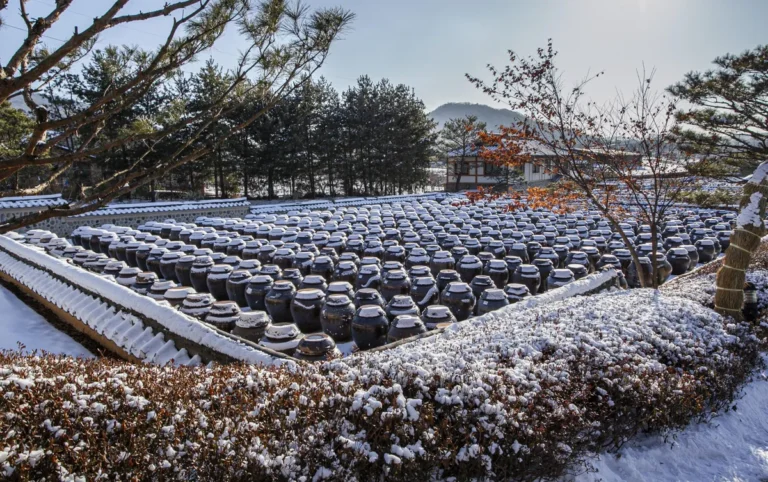
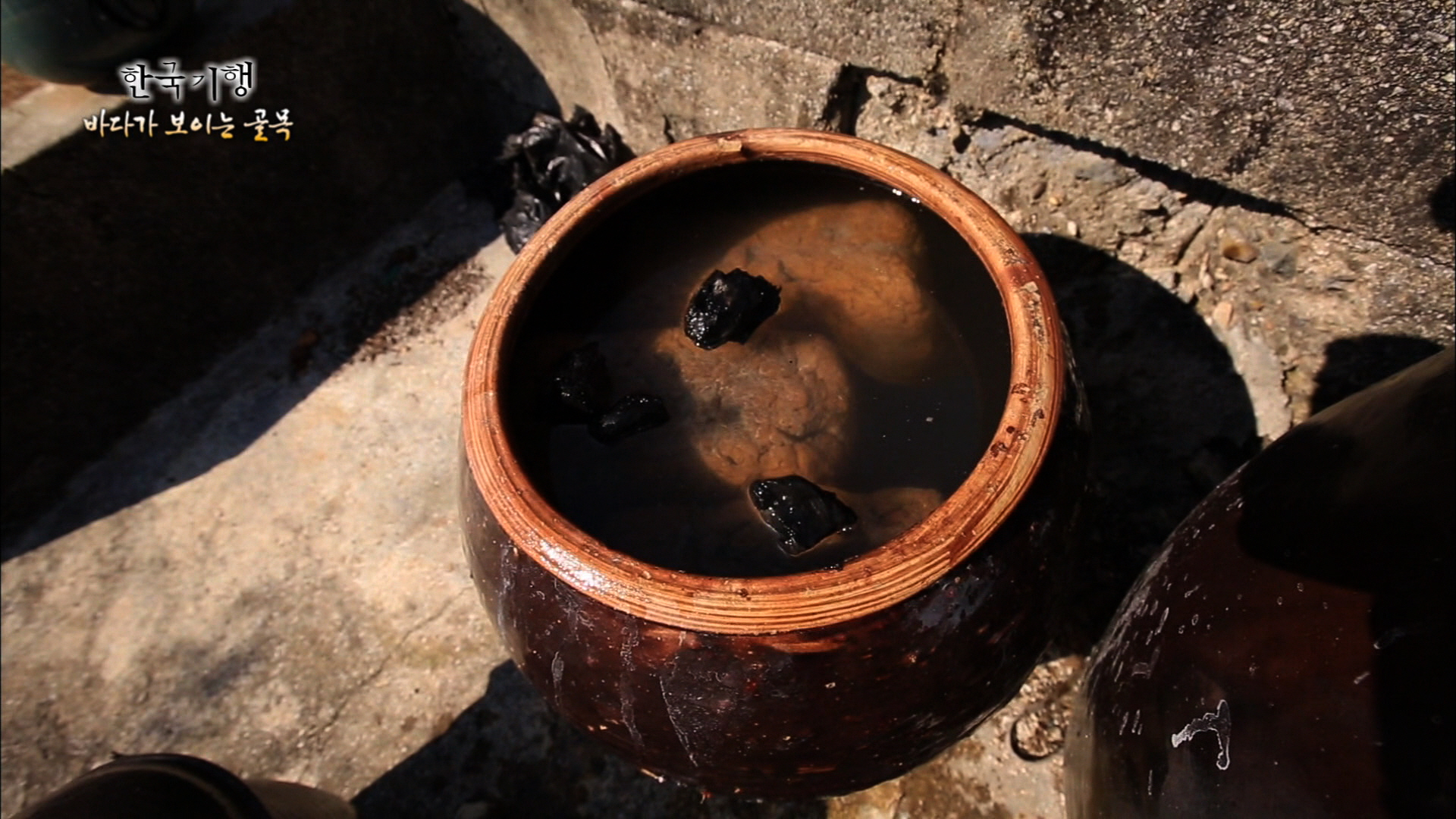
Joseon ganjang — also called hansik ganjang or traditional Korean soy sauce — comes from meju, a block of fermented soybean that forms the backbone of Korean fermented food culture. You make meju by cooking soybeans, mashing them into blocks, and allowing wild mold and bacteria to colonize them over weeks. Those meju blocks go into brine. After months of fermentation, you separate the liquid from the solids. The liquid is joseon ganjang. The solids become doenjang.
This is the old system. One fermentation process produces two products simultaneously. That’s the original Korean fermented soy logic — nothing wasted, everything connected.
Yangjo ganjang is the newer industrial category, developed in the 20th century using methods closer to Japanese shoyu production. It uses a controlled mold called aspergillus oryzae, defatted soybean meal, and wheat. The fermentation is faster, more consistent, and produces a sweeter, milder sauce. Most of the soy sauce in Korean supermarkets today is yangjo ganjang. It’s what you’re getting when you buy a big plastic bottle at an Asian grocery store without reading the label carefully.
Neither is inferior. They’re built for different purposes. Understanding which family a sauce belongs to tells you most of what you need to know about how to use it.
Breaking Down the Types Within Each Family
Let’s go deeper into the specific varieties, because this is where the practical knowledge lives.
Guk ganjang (soup soy sauce)
This is joseon ganjang, but named for its most common use: seasoning soups and doenjang jjigae. It’s the saltiest of all Korean soy sauces — salinity can run 18 to 25 percent — because it was traditionally made to preserve food through harsh winters. It’s also darker in color and thinner in body than you might expect. The flavor is intensely savory, slightly funky, and complex in a way that yangjo ganjang isn’t. It ages beautifully. A well-aged bottle of guk ganjang develops notes that approach fish sauce in their depth, but without the fishiness.
Use guk ganjang when you want seasoning without color. Because it’s so salty, you need far less. A single teaspoon in a clear soup does what a tablespoon of regular soy sauce can’t — it seasons without turning the broth dark brown. This is the technique Korean grandmothers have used for centuries to keep miyeok guk and kongnamul guk looking clean while still tasting seasoned.
Yangjo ganjang (brewed soy sauce)
This is the everyday workhorse. Milder, sweeter, more rounded. It’s what you reach for in marinades, dipping sauces, braised dishes, and anywhere the recipe needs balanced soy flavor without aggression. Most Korean recipes written for international audiences assume you’re using yangjo ganjang when they say “soy sauce.” It plays well with garlic, sesame oil, and sugar in the standard yangnyeom format.
Jin ganjang (dark soy sauce / aged brewed)
Jin ganjang is often labeled as “premium” or “aged” yangjo ganjang. It ferments longer, concentrates more, and develops a thicker body with deeper color. Think of it as yangjo ganjang that’s been taken more seriously. It works excellently in galbi jjim — braised short ribs — because it caramelizes under heat and gives the meat that lacquered, mahogany finish that defines the dish visually and flavor-wise.
Sempio 701 and similar multi-year aged versions
Some manufacturers produce ganjang aged three, five, or more years. These are the premium bottles that cost real money. The extended aging concentrates amino acids and develops complexity that approaches the character of joseon ganjang, but with more sweetness and less funk. Worth buying once to understand the difference. Then you decide if it’s worth the price for your cooking.
The Sodium Reality — What You Need to Know
This section matters. Korean soy sauce, especially guk ganjang, carries very high sodium levels. A single teaspoon of guk ganjang can contain 400 to 600 milligrams of sodium. The American Heart Association recommends no more than 2,300 milligrams per day for most adults, with an ideal limit closer to 1,500 milligrams for those with high blood pressure or cardiovascular risk.
If you’re using guk ganjang as your primary seasoning across multiple dishes in a meal — which is common in traditional Korean home cooking — the sodium adds up quickly without feeling like it. The sauce is so savory that small quantities create the perception of full seasoning, but those small quantities still contain significant sodium.
Sodium warning: People managing hypertension, kidney disease, or cardiovascular conditions should use ganjang in careful moderation and consult a healthcare provider about sodium limits specific to their situation.
There is some nuance in the research worth noting. A study published in the journal Food Chemistry (2012) found that traditionally fermented doenjang and ganjang contain bioactive peptides produced during fermentation that may interact differently in the body than equivalent sodium from table salt alone. Some researchers suggest fermented soy products may have properties that support cardiovascular health at moderate consumption levels — but this area of research is still developing, and the sodium content remains a real consideration. Never use this nuance as an excuse to dismiss sodium intake concerns.
Three Things Most Cooks Get Wrong
Here’s where this guide gets specific. These are mistakes that are easy to make and surprisingly consequential.
Mistake 1: Using yangjo ganjang in doenjang jjigae
Many cooks reach for whatever soy sauce is on the counter when they make doenjang jjigae. The stew is already complex, so what difference does it make? It makes a meaningful difference. Yangjo ganjang brings sweetness that competes with the salty-fermented character of the doenjang. Guk ganjang, by contrast, amplifies the existing fermented depth without adding competing flavor notes. If you only own yangjo ganjang, use less and add a small pinch of sea salt instead.
Mistake 2: Adding ganjang at the wrong point in cooking
Ganjang changes character with heat. Added early in a braise, it mellows and integrates, contributing background depth. Added late, it stays sharp and saline. Neither is wrong — they’re different tools. For a galbi jjim or a dubu jorim, add the main portion of jin ganjang early, then adjust with a smaller amount toward the end if the dish needs a brighter soy note. Using all of it at once at either point will unbalance the dish.
Mistake 3: Treating all ganjang as indefinitely shelf-stable
Joseon ganjang made traditionally can last decades, even improving with age like good vinegar. Yangjo ganjang in a plastic bottle at room temperature is a different story. Once opened, it oxidizes. The flavor flattens within months. Store opened yangjo ganjang in the refrigerator. Yes, this goes against what most labels say. The label says refrigerate after opening for a reason, and most cooks ignore it.
Bonus tip (the one no one mentions): When a Korean soup tastes flat despite correct seasoning, the issue is often the ganjang-to-salt ratio, not the quantity of liquid. Try adding guk ganjang a few drops at a time rather than increasing the volume of either salt or soy sauce. The umami compounds in ganjang activate the perception of saltiness in a way that straight salt does not. This is why experienced Korean cooks can achieve seasoned depth in soups with surprisingly small total amounts of added sodium.
A Practical Recipe: Ganjang Dipping Sauce (Cho Ganjang)
This sauce appears on almost every Korean table at some point. It works with mandu (dumplings), pajeon (green onion pancake), haemul pajeon, and steamed tofu. It takes two minutes to make and keeps refrigerated for a week. Once you make it at home, you’ll stop using the bottled versions.
Ingredients
- 3 tablespoons yangjo ganjang
- 1.5 tablespoons rice vinegar
- 1 teaspoon toasted sesame oil
- 1 teaspoon gochugaru (Korean chili flakes) — optional, but worth it
- 1 teaspoon finely sliced scallion (the green part only)
- 0.5 teaspoon toasted sesame seeds
- 0.5 teaspoon sugar (or honey — honey adds a rounder finish)
Steps
- Combine the yangjo ganjang and rice vinegar in a small bowl. Stir until combined. The ratio is 2:1 (soy to vinegar). This is the base.
- Add the sesame oil. Stir again. Taste it now — you’re looking for a sharp, salty, slightly acidic hit.
- Add the sugar or honey. Stir to dissolve completely. The sweetness should round out the acidity without eliminating it.
- Add the gochugaru if you’re using it. Stir. Let it sit for one minute so the chili blooms slightly in the sauce.
- Add the scallion and sesame seeds just before serving.
A note on this recipe: the vinegar amount sounds high. It is higher than many versions you’ll find online. But it’s correct for dipping purposes — you want that acid to cut through the oil and fat of fried or pan-cooked foods. If you’re serving it alongside something lighter, like steamed gyoza-style mandu, reduce the vinegar to one tablespoon.
How to Read a Ganjang Label
The Korean food labeling system isn’t intuitive if you’re shopping in a Korean grocery store without knowing what to look for. Here’s what to look at on the label, even without reading Korean.
Look at the ingredient list order. In yangjo ganjang, wheat and defatted soybean meal near the top are normal. In joseon ganjang or hansik ganjang, whole soybeans and salt should be the primary ingredients with no wheat.
Look for the production date, not just the expiration date. For joseon ganjang, older is often better. Some producers put the brewing year on the label. A joseon ganjang from three or more years ago may be worth spending more on.
Check for added preservatives. Traditional fermented ganjang doesn’t need sodium benzoate or other preservatives because the salt and pH do that work. Their presence usually signals a lower-quality or less traditionally produced product.
The price signal. In Korean grocery stores, joseon ganjang is noticeably more expensive than yangjo ganjang. A small bottle of well-made joseon ganjang can cost as much as a large bottle of yangjo ganjang. If the price seems too low for something labeled as traditional, read the ingredients again.
One more thing: some products labeled as “soup soy sauce” in English are not joseon ganjang — they’re diluted yangjo ganjang with added flavor. They work fine, but they don’t behave the same way. If you can, find a bottle that clearly states the Korean term hansik ganjang or joseon ganjang on the label, or buy from a Korean producer who specifies whole soybean fermentation in the description.
The differences between these sauces are real, they’re learnable, and they will change what comes out of your kitchen. Start with one bottle of yangjo ganjang and one bottle of joseon ganjang, taste them side by side, and cook the same soup twice with each. The lesson will be more effective than anything written here.
This content is for informational purposes only and is not medical advice.