The Golden Recipe for Homemade Doenjang Jjigae
The Golden Recipe for Homemade Doenjang Jjigae
Doenjang jjigae is the heartbeat of the Korean table. That bubbling earthenware pot of fermented soybean paste stew is more than just a meal — it carries thousands of years of fermentation culture and sits at the very core of Korean culinary identity. People often say it tastes best when made by a mother’s hands, but the real secret isn’t just technique. It’s the living microorganisms, the active enzymes, and the slow, patient science of fermentation happening inside the doenjang itself. Today we’re going deep into the history and biology behind this iconic dish, and we’re sharing a tried-and-true recipe anyone can make at home.
The History and Cultural Roots of Doenjang
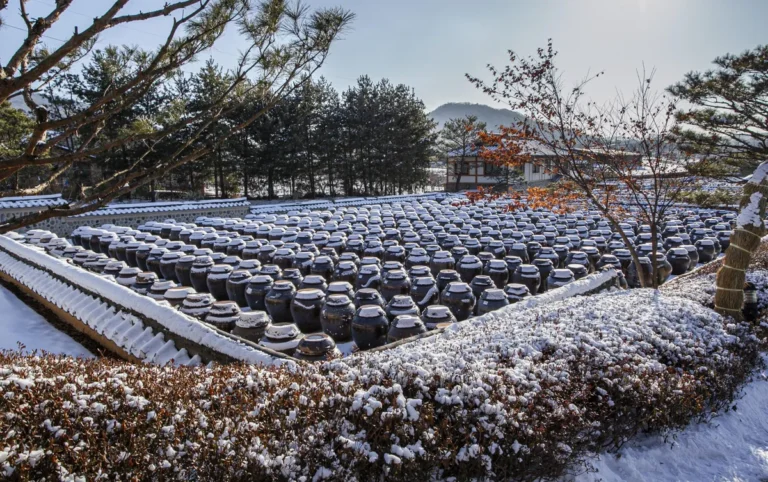
Doenjang’s origins stretch back to before the Three Kingdoms period. The Chinese historical text Records of the Three Kingdoms (三國志), specifically in the Dongyi section of the Weizhi (魏志 東夷傳), notes that the people of Goguryeo were skilled in “jangyang” (藏釀) — the art of fermenting and aging foods. This is widely regarded as one of the earliest recorded references to the fermentation traditions that eventually gave rise to doenjang, ganjang (soy sauce), and gochujang. During the Silla dynasty, fermented jang (醬) was so prized that it was included among royal wedding gifts.
By the Joseon dynasty, making doenjang at home had become a measure of a household’s competence and care. The quality of the spring batch of doenjang signaled the culinary standing of an entire family for the year. Classic Joseon-era cookbooks like Gyuhap Chongseo and Eumsik dimibang document elaborate methods for making jang in careful detail. Doenjang was never just a seasoning. It embodied a Korean food philosophy — the belief that time and nature, working through natural fermentation, are what truly complete a dish.
The Science of Doenjang Fermentation: Microbes and Enzymes
The flavor and nutrition of doenjang come from a complex community of microorganisms and enzymes doing their work during fermentation. The traditional process of making meju (fermented soybean blocks) and fermenting them into doenjang looks simple on the surface. Underneath, it’s a remarkably precise series of biochemical reactions.
The Key Fermenting Microorganisms
- Bacillus subtilis: The star of meju fermentation. This bacterium breaks down soy proteins into amino acids and produces a sticky substance called polyglutamic acid. The protease enzymes it generates are responsible for doenjang’s signature umami flavor by releasing glutamic acid from the beans.
- Aspergillus oryzae: Also known as nuruk mold, this fungus secretes both amylase and protease enzymes, breaking down starches and proteins. It contributes the mild sweetness and deeper umami notes in the finished paste.
- Lactobacillus species: These lactic acid bacteria produce lactic acid, which suppresses the growth of harmful bacteria and lowers the pH of the fermenting paste — creating a stable environment for good fermentation. They also act as probiotics, supporting gut health.
- Saccharomyces species: These yeasts generate ethanol and a range of aromatic compounds, adding the layered, complex aroma that makes well-aged doenjang so distinctive.
What’s Actually Happening During Fermentation
Soy proteins — glycinin and beta-conglycinin — are broken down by protease enzymes into peptides and free amino acids. The glutamic acid released during this process is the backbone of doenjang’s umami. The longer the paste ages, the higher the concentration of glutamic acid becomes. The Maillard reaction also plays a major role: amino acids reacting with sugars produce doenjang’s characteristic deep brown color and its warm, roasted aroma. On top of that, soy isoflavones are converted during fermentation into aglycone forms, which the body absorbs far more readily than their original state.
The Core Principles of a Great Doenjang Jjigae
Three things determine how good your doenjang jjigae will taste: the quality of the doenjang, the depth of the broth, and how well the ingredients work together. Among store-bought options, traditionally made artisan doenjang — called jaeraesingdoenjang — produces a noticeably richer flavor. A practical trick is to blend commercial doenjang with traditional doenjang in a 7:3 ratio. You get the convenience of a supermarket product with the complexity of the real thing.
How to Pick Good Doenjang
- Look for a deep, even brown color. Uniform color is a sign of good aging.
- Smell it. A good doenjang has a warm, savory, slightly earthy aroma. If it smells overly sour or just unpleasant, the quality isn’t there.
- Check the ingredient list. The closer it is to soybeans, salt, and water only, the more traditional the product.
- Choose a doenjang that has been aged for at least six months. The flavor difference is real.
The Golden Recipe: Authentic Homemade Doenjang Jjigae
Ingredients (Serves 2–3)
| Ingredient | Amount | Notes |
|---|---|---|
| Doenjang (fermented soybean paste) | 2½ tablespoons | Blend of traditional and commercial recommended |
| Firm tofu | ½ block (150g) | Firm tofu holds its shape better |
| Korean zucchini (aehobak) | ⅓ zucchini | Sliced into half-moons |
| Potato | ½ medium | Cut into small cubes |
| Onion | ¼ medium | Roughly chopped |
| Shiitake mushrooms | 2 mushrooms | Fresh or rehydrated dried |
| Cheongyang chili pepper | 1 pepper | Adjust to your heat preference |
| Minced garlic | 1 teaspoon | |
| Anchovy-kelp broth | 600ml | Use instead of plain water |
| Light soy sauce (guk ganjang) | A small splash | For final seasoning |
Making the Golden Broth
- Add 700ml of cold water to a pot. Put in 10 dried anchovies (heads and innards removed) and one piece of dried kelp (about 5×5cm). Start with cold water — this draws out more flavor.
- Once the water comes to a boil, pull the kelp out immediately. Reduce to medium-low heat and simmer for another 10 minutes, then remove the anchovies.
- Add 2 dried shiitake mushrooms to the broth as it simmers. The guanylic acid in shiitake and the inosinic acid in anchovies create a synergistic umami effect — the combination is noticeably more flavorful than either alone.
Step-by-Step Cooking Instructions
- Dissolve the doenjang: Pour the broth into a stone pot (ttukbaegi) or regular pot. Press the doenjang through a fine mesh strainer directly into the broth, stirring until completely dissolved with no lumps. Dissolving it evenly is key to consistent flavor throughout the stew.
- Start with the dense vegetables: Add the potato and onion first. Bring to a medium boil and cook for 7 to 8 minutes, until the potato is about halfway cooked through.
- Add the remaining vegetables: Drop in the zucchini, shiitake mushrooms, and minced garlic. Cook for another 3 minutes.
- Add the tofu last: Tofu goes in at the very end. Adding it too early breaks it apart and turns it rubbery. Let it cook for about 2 minutes — just enough to heat through while staying silky.
- Finish and season: Add the sliced cheongyang chili pepper and adjust the saltiness with a small splash of guk ganjang. Do not put the lid on and keep boiling after this point. Prolonged boiling drives off the aromatic compounds and kills the beneficial live cultures in the doenjang.
Golden tip: The longer doenjang boils, the more its aroma fades. Try to keep your total cooking time between 15 and 18 minutes. A stone ttukbaegi pot retains heat exceptionally well — the stew will keep bubbling gently even after you turn off the burner, allowing the flavors to meld without overcooking.
The Nutritional Value of Doenjang Jjigae
A single bowl of doenjang jjigae packs serious nutritional value. Soybeans — the foundation of doenjang — are one of the best plant-based protein sources available, with a protein content of roughly 36 to 40%. Fermentation makes that protein even more digestible. The stew also delivers isoflavones in their bioavailable aglycone form, beneficial live cultures from the fermentation process, and a range of vitamins and minerals from the vegetables. It’s a nutritionally dense meal built around an ancient fermentation tradition.
Please note: The nutritional and health information in this article is provided for general educational purposes only and is not intended as medical advice. Consult a qualified healthcare professional for guidance specific to your health needs.