How to Store Fermented Foods the Right Way
Most people think fermented foods are basically indestructible. They’ve already been preserved, right? The bacteria are doing their thing. What could go wrong?
A lot, actually.
Bad storage doesn’t just slow down your kimchi or flatten your doenjang. It can kill the live cultures you’re eating for, push flavors in directions you didn’t want, and in rare cases, create conditions that aren’t safe. The preservation happens during fermentation. After that, storage is its own discipline — and most home fermenters treat it like an afterthought.
This article is about fixing that. It covers what actually happens to fermented food in storage, what the common mistakes look like in real life, and the specific things you can do to keep your ferments alive, functional, and genuinely delicious for as long as possible.
The Big Misconception: “It’s Fermented, So It’s Fine”
Here’s where most people go wrong. They finish a batch of baechu kimchi, pack it into a container, shove it in the fridge, and assume they’re done. And for a while, they are. But the fermentation doesn’t stop. It slows dramatically in the cold, but the microbes — mostly Lactobacillus species and other lactic acid bacteria — keep working at a reduced rate. The kimchi keeps changing.
That’s not always a problem. Kimchi is supposed to develop. Freshly made baechu kimchi tastes completely different from kimchi that’s been in the fridge for two months, and both versions are valid. But uncontrolled fermentation in the wrong vessel, at the wrong temperature, without understanding what’s happening — that leads to kimchi that turns mushy, over-sour, or develops off-flavors that have nothing to do with good fermentation.
The same logic applies to ganjang (soy sauce), doenjang (fermented soybean paste), gochujang (fermented chili paste), and makgeolli (fermented rice wine). Each one has a different microbial profile, a different ideal storage environment, and a different window of peak quality. Treating them all the same way — sealed container, refrigerator shelf, done — misses the point.
The truth is that fermented food storage is an active process. You’re not just parking the food. You’re managing an ongoing biological system, and the decisions you make about containers, temperature, oxygen exposure, and salt concentration all shape what the food becomes.
Temperature Is Not One-Size-Fits-All
The refrigerator is not the universal answer. It’s a good default, but different ferments want different things.
Kimchi is the clearest example. Traditional Korean kimchi was stored in onggi (unglazed ceramic pots) and buried underground through winter — a practice called gimjang that the UNESCO Intangible Cultural Heritage list recognized in 2013. The underground temperature hovered around 0 to 4 degrees Celsius (32 to 39 degrees Fahrenheit). That’s colder than most home refrigerators, which run at about 3 to 5 degrees Celsius. That small difference matters over weeks and months.
Modern kimchi refrigerators — kimchi naejanggos — are engineered to replicate those underground conditions. They hold a narrow temperature range, reduce temperature fluctuations, and maintain higher humidity than a standard fridge. If you’re serious about long-term kimchi storage and eat it regularly, a kimchi fridge is not a luxury. It’s the right tool.
For most people without one, here’s what to do: put your kimchi on the lowest shelf of your refrigerator, toward the back, away from the door. Temperature near the door swings every time you open it. The back of the bottom shelf stays coldest and most stable.
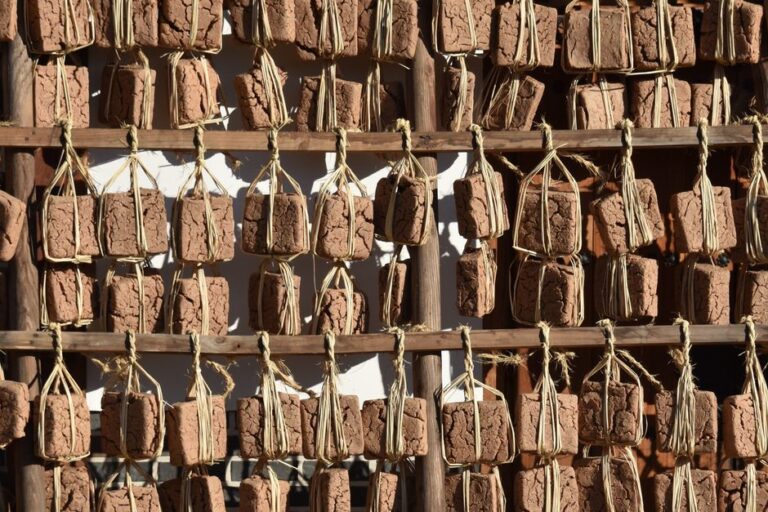
Doenjang and gochujang are different. Traditional versions were stored in onggi pots outdoors, exposed to seasonal temperature changes. The summer heat encouraged further enzymatic activity; the winter cold slowed it. Commercially produced versions are stabilized enough to live happily in the fridge. But if you’ve made homemade doenjang, a cool, dark pantry or cellar at 10 to 15 degrees Celsius works well for the first few months. Refrigeration after opening is wise, though.
Makgeolli, the lightly sparkling fermented rice wine, needs cold storage to stay drinkable. It contains live yeast and bacteria that keep producing carbon dioxide. If you leave it at room temperature, the pressure builds, the carbonation gets aggressive, and the flavor tips toward vinegar quickly. Keep it refrigerated and drink it within a week or two of opening — or opening the bottle at all, if it’s homemade.
Tip most people don’t know: Fermented foods that are still actively fermenting (think kimchi in the first one to four weeks) should be burped daily if stored in a sealed jar. The CO2 buildup can warp lids, force open seals, and in an airtight container, create real pressure. Loosen the lid briefly over the sink once a day. This is called “burping,” and it’s the difference between a stable ferment and a mess on your ceiling.
Containers Matter More Than You Think
Glass is best. That’s not an opinion — it’s practical reality.
Glass is non-reactive. Kimchi, doenjang, gochujang — all of them are acidic and salty. They’ll leach compounds from reactive materials over time. Plastic containers, especially older ones, can absorb odors and colors permanently. They can also release microplastics and plasticizer chemicals into acidic foods over extended contact, particularly at warmer temperatures. A 2020 study published in Environmental Science & Technology found that various plastic containers released significant microplastic particles into food during standard use conditions — not something you want in a probiotic-rich food you’re eating for its health properties.
Traditional onggi is the ideal vessel for long-term storage and active fermentation. The unglazed clay is slightly porous, which allows a minimal exchange of gases while maintaining the anaerobic interior environment that lactic acid bacteria prefer. You can find onggi pots from Korean pottery suppliers and some specialty importers. They’re worth the investment if you ferment regularly and have outdoor or cellar storage space.
For everyday home use, wide-mouth glass mason jars with two-piece lids work well. Buy the right size. A half-full jar has too much headspace — too much oxygen contact with the surface, which invites surface yeasts and molds. Fill jars to within 2 to 3 centimeters of the top for actively fermenting foods, and keep surfaces submerged below the brine.
Tip most people don’t know: Press a piece of plastic wrap directly onto the surface of your kimchi or doenjang before sealing the container. This minimizes direct oxygen contact without affecting the anaerobic fermentation environment below. The surface of kimchi exposed to air can develop surface yeasts — they’re usually harmless, but they’re not what you want, and they contribute off-flavors. A physical barrier is simpler and more effective than most people realize.
For gochujang, the paste itself is thick enough that surface oxidation is slower, but a thin drizzle of sesame oil across the top creates a light seal that does the same job and adds nothing unwanted to the flavor.
Salt, Brine, and Why They’re Your First Line of Defense
Salt is not optional. It’s the mechanism.
In baechu kimchi, the initial salting of the cabbage pulls out water through osmosis, creating a natural brine. That brine, combined with the salt concentration in the paste, is what creates the selective environment that lets beneficial lactic acid bacteria thrive while suppressing harmful bacteria. The salt concentration is typically around 2 to 3 percent of the total weight of finished kimchi — this is the range where Lactobacillus species have a competitive advantage.
Sodium warning: Kimchi and most Korean fermented foods are high in sodium. A typical 100-gram serving of baechu kimchi contains roughly 500 to 800 milligrams of sodium, depending on the recipe. The American Heart Association recommends no more than 2,300 milligrams per day, with an ideal limit of 1,500 milligrams for most adults. If you’re managing hypertension, kidney disease, or cardiovascular conditions, portion size matters here. Some studies suggest that the fermentation process may modulate sodium’s effects through probiotic mechanisms — a 2021 review in Nutrients explored this possibility — but that research is preliminary and does not override standard dietary guidance for high-risk individuals.
When kimchi loses its brine — because the vegetables float above the liquid, because the container was packed too loosely, or because some liquid was lost — the exposed surfaces are vulnerable. If you notice your kimchi is running dry, make a quick brine solution: dissolve non-iodized salt in water at approximately a 2 percent ratio (20 grams of salt per liter of water). Pour just enough to submerge the vegetables. Iodized salt can inhibit microbial activity, which is why fermentation recipes consistently call for sea salt, kosher salt, or traditional Korean coarse salt (called cheonilyeom).
Tip most people don’t know: The brine from a previous successful batch of kimchi is liquid gold. It contains an established community of the exact lactic acid bacteria you want. Adding a tablespoon or two of old kimchi brine to a new batch acts as a starter culture, speeding up the initial fermentation and improving consistency. Traditional fermenters knew this. Modern home fermenters mostly don’t do it, but they should.
Reading Your Ferment: Signs of Health vs. Trouble
The hardest skill in fermented food storage is learning to read what you’re looking at. People either trust everything blindly or panic at every bubble and white spot. Neither is right.
What’s normal:
Bubbling and carbonation, especially in the first week or two of kimchi fermentation, is healthy. It’s CO2 from active lactic acid bacterial metabolism.
White sediment at the bottom of makgeolli or at the bottom of brine jars is normal — it’s yeast and bacterial sediment. Shake makgeolli before drinking; that sediment is part of the traditional product.
A white film on the surface of brine-fermented vegetables — called kahm yeast — looks alarming but is usually harmless. Kahm yeast is a surface yeast that grows in low-oxygen zones at the brine surface. It can introduce mild off-flavors but isn’t dangerous. Skim it off and push your vegetables back under the brine.
What’s not normal:
Fuzzy mold growth — pink, green, black, or orange — is a different matter. Unlike kahm yeast, which forms flat, film-like layers, fuzzy mold has visible texture and dimension. If you see fuzzy mold on your kimchi or doenjang, scrape it away and assess. On doenjang, surface mold is common during the outdoor fermentation stage and is handled by scraping. On kimchi, fuzzy mold is rarer and more concerning — it usually means something went wrong with the salt concentration, temperature, or oxygen exposure. Taste carefully after removal; if the underlying kimchi smells good and tastes good, it’s likely fine. If it smells wrong, don’t eat it.
An important note: the Food and Drug Administration (FDA) advises that for soft, high-moisture fermented foods, mold can send filaments deep into the product, making it difficult to safely remove. Their general guidance is that for mold on soft foods, the safest choice is to discard. For hard or dry fermented pastes like doenjang or ganjang, surface removal with a generous margin is more commonly considered acceptable — but this should always be your judgment call based on smell, texture, and whether the underlying food shows any signs of off-character.
A sour smell from kimchi is expected and good. A putrid, vomit-like, or sulfur-heavy smell that’s distinct from normal sourness is a warning. Trust your senses. Healthy kimchi smells alive — bright, funky, acidic, complex. Spoiled food smells wrong in a way your body recognizes.
Some studies suggest that regularly consuming kimchi and other fermented foods may support gut microbiome diversity. A 2021 study published in Cell by Wastyk et al. found that a diet high in fermented foods increased microbiome diversity and decreased markers of inflammation in healthy adults. These are promising findings. They do not mean fermented foods treat or cure disease, and they do not mean you should eat ferments with compromised safety profiles. The health potential depends on properly stored, properly made fermented foods.
A Practical Quick-Brine Recipe for Kimchi Storage Rescue
If your kimchi has gone dry and you need to restore the brine quickly, here’s a simple recipe. Use this to top off any kimchi jar where the vegetables are above the liquid line.
Quick Kimchi Brine
Makes about 500 milliliters — enough for one standard 1-liter jar
- 500 milliliters filtered or non-chlorinated water (tap water with chlorine can inhibit lactic acid bacteria)
- 10 grams non-iodized sea salt or coarse Korean salt (cheonilyeom)
- Optional: 1 tablespoon of juice from an existing, active batch of kimchi (acts as a starter)
Steps:
- Bring the water to a boil to remove any residual chlorine if you’re using tap water. Let it cool completely to room temperature before using. Never add hot brine to an active ferment — it kills the bacteria.
- Stir the salt into the cooled water until fully dissolved. Taste it. It should taste noticeably salty but not overwhelming — similar to mild ocean water.
- If using existing kimchi juice, stir it in after the salt is dissolved.
- Slowly pour the brine into your kimchi jar until the vegetables are fully submerged. Use a clean spoon or your hand (washed thoroughly) to press the vegetables down.
- Leave 2 to 3 centimeters of headspace. Seal the lid, but if the kimchi is still actively fermenting, loosen it slightly or burp daily.
- Return to proper cold storage immediately.
This brine works at a 2 percent salt concentration, which is on the lower end of the safe range. If your original kimchi recipe used heavier salting, you can increase to 12 to 15 grams of salt per 500 milliliters. Check your original recipe for reference.
Good storage won’t save a bad ferment, but bad storage will ruin a good one. The work you put into making doenjang or kimchi or gochujang deserves the right follow-through. These aren’t just condiments — they’re living things, and they respond to how you treat them.
Get the temperature right. Use glass. Keep things submerged. Pay attention to what you’re seeing and smelling. And when something looks off, slow down and think before you throw it out — or eat it.
That’s really what this comes down to: developing judgment. The more batches you store, the more you learn what healthy looks like. And once you know that, a lot of the fear goes away.
This content is for informational purposes only and is not medical advice.
How Long Do Fermented Foods Actually Last?
There is no single expiry date for a fermented food, because fermentation does not stop when the jar goes into the refrigerator. It slows down. What changes over time is flavor and texture rather than safety, up to the point where something has clearly gone wrong.
The ranges below are about quality, not guarantees. Trust what you see and smell over any number in a table.
| Food | Refrigerated | What actually changes |
|---|---|---|
| Kimchi | Best within 1–3 months; edible far longer | Keeps souring and softening. After six months or more it becomes mukeunji, which is a cooking ingredient rather than a side dish |
| Doenjang, gochujang | Many months to over a year after opening | Darkens and deepens; the surface may dry or crust. Keep the surface pressed flat and covered |
| Ganjang (soy sauce) | A year or more | Very little; traditional ganjang was kept at room temperature for years |
| Jeotgal (salted seafood) | Many months | The salt does the work. It gets stronger and saltier tasting |
| Sauerkraut, raw | Several months | Slowly sours; stays crisp longer when fully covered by brine |
| Makgeolli, unpasteurized | Roughly one to two weeks | Still actively fermenting. It turns sour and fizzy, and the bottle can build pressure |
| Vinegar | Indefinitely | Almost nothing. A cloudy mother may form, which is harmless |
Does doenjang need to be refrigerated?
Traditional jang was kept outdoors in onggi jars for years, and salt is the reason it survived. A commercial tub, with lower salt and no jar to breathe through, is a different product: refrigerate it after opening and it holds flavor far better. It will not spoil at room temperature overnight, but it will darken and dry out faster.
The same rule applies to gochujang. Both keep best with the surface smoothed flat, so there is no air trapped in pockets under the lid.
What about freezing?
Freezing suits some ferments and ruins others.
- Kimchi freezes acceptably if you plan to cook it. The cell walls collapse, so it comes out limp — fine for stew or fried rice, wrong for the table.
- Jang pastes freeze without much loss, though refrigeration is usually enough.
- Do not freeze live makgeolli in a sealed bottle. It is carbonating, and the bottle can fail.
- Freezing does not sterilize anything. It pauses fermentation and restarts it on thawing.
If a ferment looks or smells genuinely wrong rather than simply old, our guide to diagnosing fermentation problems covers how to tell the difference.
Frequently Asked Questions
How long does kimchi last in the refrigerator?
It stays good to eat for months, and many Korean households keep it for a year or more. The useful question is what you want from it: crisp and lightly sour kimchi is at its best in the first few weeks, while kimchi kept for six months or longer becomes deeply sour and is used for cooking rather than served as it is.
How long does doenjang last in the fridge once opened?
Typically many months, often more than a year. High salt content does most of the preserving. Expect it to darken and thicken over time, and skim any surface film before use.
Do fermented foods need to be refrigerated?
Modern commercial ones generally do, once opened. Traditional versions with much higher salt content were stored at room temperature for long periods, but the products sold today are usually less salty and are made to be refrigerated.