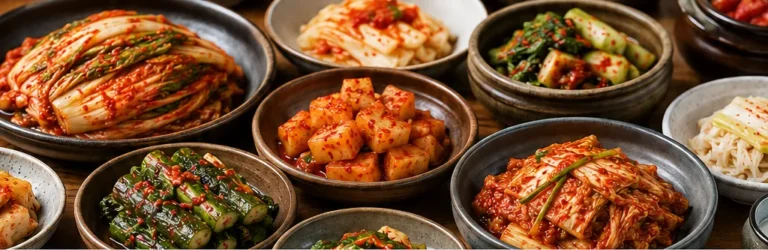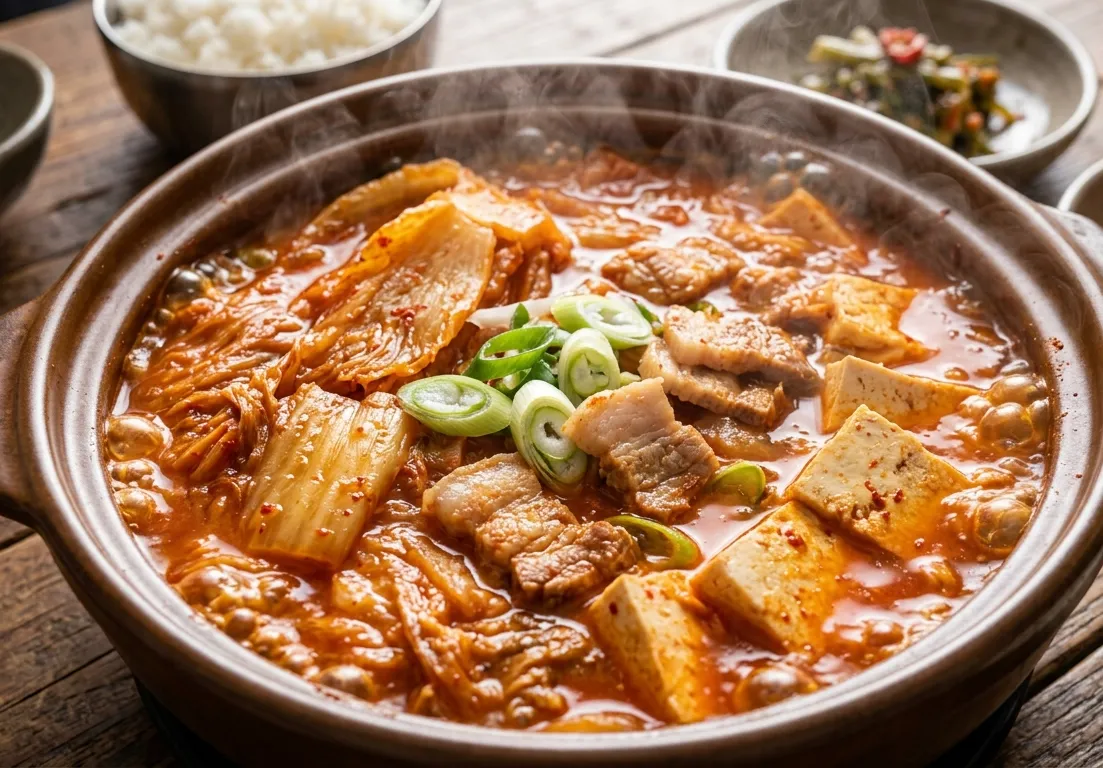
Kimchi Jjigae – The Perfect Fermented Stew Recipe
Most people think kimchi jjigae is just a way to use up old kimchi. Like it’s a cleanup dish. A refrigerator dump. Something you make when the kimchi has gone too far and you don’t know what else to do with it.
That’s backwards.
The best kimchi jjigae you’ll ever eat starts with kimchi that’s been fermenting for at least three months. Preferably six. The over-fermented, sour, almost-too-pungent stuff that makes your eyes water when you open the jar — that’s the goal. That’s the ingredient. And once you understand why, the whole dish opens up into something completely different than what most Western recipes describe.
This isn’t a casual weeknight soup. It’s a fermentation showcase. A stew that turns microbial complexity into something that tastes like it’s been cooking for hours, even when it hasn’t.
Let’s talk about what actually makes it work.
Why Fermentation Age Matters More Than Anything Else
Fresh kimchi — baechu kimchi that’s only a few days old — has brightness, crunch, and a gentle heat. It’s great raw. But in a stew, that freshness works against you. The fermentation hasn’t developed the depth of lactic acid that gives kimchi jjigae its backbone. You end up with something that tastes like spicy cabbage soup. Fine, not memorable.
Aged kimchi changes chemically in ways that matter enormously for cooking. As fermentation progresses, Lactobacillus species — primarily Lactobacillus plantarum and Leuconostoc mesenteroides — produce lactic acid at increasing concentrations. That acid doesn’t just make things sour. It breaks down cell walls, concentrates flavor compounds, and creates umami precursors that interact with heat in specific ways. When you cook deeply fermented kimchi, those compounds undergo Maillard-adjacent reactions that generate flavor complexity you simply cannot replicate with fresh kimchi or added vinegar.
A 2021 paper published in the journal Foods (MDPI) analyzing kimchi fermentation profiles found that lactic acid bacteria populations and metabolite concentrations shift significantly between weeks two and twelve of fermentation, with more complex organic acid profiles developing in the longer-fermented batches. That complexity is what you taste in a great kimchi jjigae.
So if your kimchi is less than two months old: wait. Or find a Korean grocery store that sells older kimchi, sometimes labeled as “sour kimchi” or “aged kimchi.” In Korean communities, fermented kimchi that’s been aging for months in onggi (traditional earthenware) or modern kimchi refrigerators is a specific, sought-after product. It’s not expired. It’s ready.
What the jar should look, smell, and taste like before you cook it:
- Deeply sour smell, almost like yogurt but sharper
- Limp texture — the cabbage has given up its crunch
- Brine that’s cloudy and tangy, not watery
- A flavor that makes you wince slightly before the umami kicks in
That kimchi brine? Don’t discard it. You’ll use it in the stew. It carries live cultures, concentrated acids, and seasoning that no amount of gochugaru or fish sauce can replicate.
The Fat and Protein Question (And Why Pork Belly Is Non-Negotiable)
Here’s where most recipes go sideways. They call for “pork” without specifying which cut. Or they suggest tofu only, which turns this into a different dish entirely.
Pork belly. That’s the cut.
Not loin. Not shoulder. Pork belly.
The fat content in pork belly — roughly 45 to 50 percent by weight — does something specific when it renders into the cooking liquid alongside deeply acidic kimchi. Fat carries fat-soluble flavor compounds. The lactic acid in aged kimchi emulsifies with rendered pork fat in a way that creates a rounded, coating mouthfeel you don’t get from leaner cuts. The stew becomes silky rather than watery. The brine and the fat become one liquid instead of two things floating separately.
This is the same principle behind why ribollita tastes better with good olive oil, or why French onion soup with butter-cooked onions hits differently than a no-fat version. Fat is a flavor carrier and a textural agent simultaneously.
The specific technique matters here: you want to cook the pork belly in the pot first, before adding anything else. Let it render. Get some color on it. Then add your kimchi directly to the pork fat in the pot and let it cook together for three to four minutes before you add any liquid. This step — which many recipes skip — creates a flavor foundation that makes the finished stew taste like it simmered all day.
On tofu: Include it, but add it late. Silken tofu added in the last five minutes of cooking absorbs the broth without falling apart. It becomes a vehicle for the stew’s flavor rather than a structural ingredient. Some versions use firm tofu, which holds its shape but absorbs less. Both work. Silken is better.
Tip most recipes skip: Add a small piece of dried dashima (kombu, dried kelp) to your cooking liquid when you add the water or stock. Pull it out after ten minutes. It adds glutamate depth without making the stew taste like the ocean. Just background umami that makes everything louder.
The Recipe: Kimchi Jjigae Done Right
This serves four. It uses aged kimchi — minimum two months old — and pork belly. Adjust gochugaru and fish sauce at the end based on your kimchi’s existing saltiness.
A note on sodium: Kimchi jjigae is a high-sodium dish. Kimchi itself contains significant salt from the fermentation process, and fish sauce and soy sauce add more. People managing hypertension, kidney disease, or other conditions where sodium restriction is medically recommended should be aware. The American Heart Association recommends no more than 2,300 mg of sodium per day for most adults, with an ideal target of 1,500 mg for those with elevated blood pressure. Consider reducing or omitting added fish sauce and using low-sodium soy sauce if this applies to you.
Ingredients:
- 300g pork belly, cut into 2cm chunks (about 10.5 oz)
- 400g well-fermented baechu kimchi, roughly chopped (about 2 cups)
- 4 tablespoons kimchi brine (from the jar)
- 1 tablespoon gochugaru (Korean red pepper flakes) — reduce to 1 teaspoon if your kimchi is already very spicy
- 1 tablespoon fish sauce (or soy sauce for a version without shellfish)
- 1 teaspoon sesame oil
- 1 teaspoon soy sauce
- 2 teaspoons sugar (optional — use only if your kimchi is very sour)
- 3 garlic cloves, minced
- Half a medium white onion, sliced thin
- 300g silken or soft tofu, cut into 2cm cubes (about 10.5 oz)
- 2 cups water or unsalted anchovy stock (anchovy stock is significantly better)
- 1 small piece dried dashima, about 5cm x 5cm
- 2 green onions, sliced, for finishing
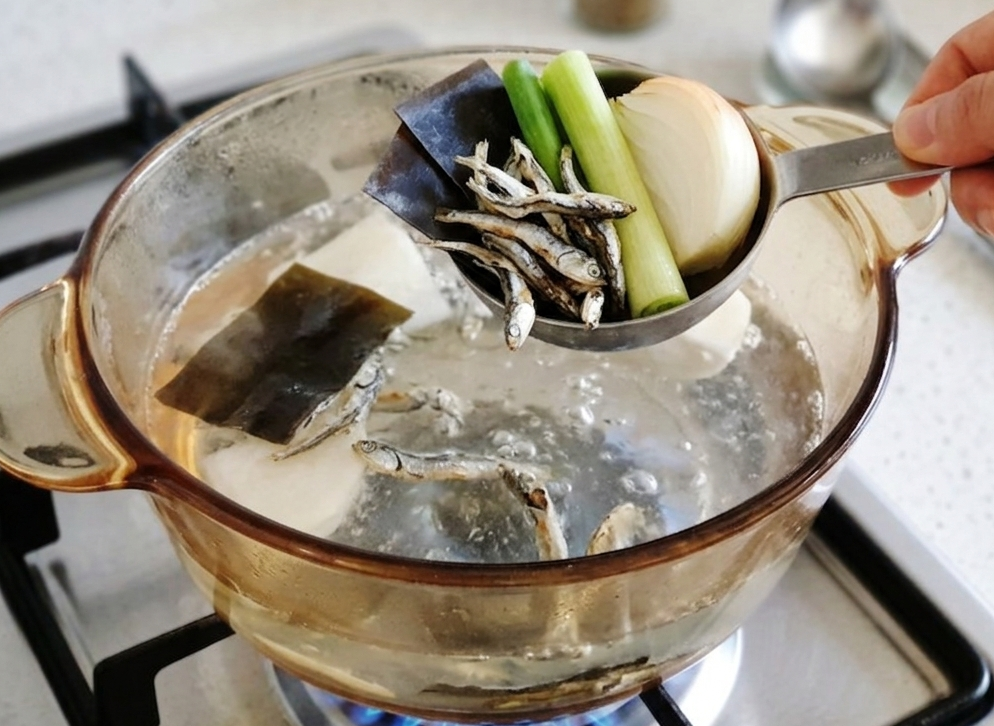
For anchovy stock (if making from scratch):
- 10 medium dried anchovies, heads and guts removed
- 1 piece dried dashima, 5cm x 5cm
- 3 cups cold water
Bring to a simmer, cook 15 minutes, strain. This stock replaces the water in the recipe and makes a notable difference in depth.
Steps:
- Heat a heavy-bottomed pot or Korean stone pot (if you have one) over medium-high heat. Add 1 teaspoon neutral oil. When it shimmers, add the pork belly chunks in a single layer. Don’t crowd them. Let them sit for 90 seconds without stirring, then turn. You want color on at least two sides. Total cooking time: 4 to 5 minutes. There should be visible rendered fat in the pan.
- Add the minced garlic and sliced onion directly to the pork fat. Stir and cook for 2 minutes until the garlic becomes fragrant and just starts to color.
- Add the chopped kimchi. Stir everything together so the kimchi gets coated in the rendered pork fat. Add the gochugaru now. Cook this mixture for 3 to 4 minutes, stirring occasionally. The kimchi will start to caramelize slightly at the edges. This is what you want.
- Add the kimchi brine, fish sauce, and soy sauce. Stir once to combine.
- Pour in 2 cups of anchovy stock or water. Add the dashima piece. Bring to a boil, then reduce to a steady simmer. Cook uncovered for 15 minutes. Remove the dashima after the first 10 minutes.
- Taste the broth. Adjust with additional fish sauce for saltiness, gochugaru for heat, or the optional sugar if acidity is very high. The broth should taste bright, spicy, savory, and slightly sour — not flat, not just hot.
- Gently add the tofu pieces. Simmer for 5 more minutes without stirring aggressively — you want the tofu to hold its shape.
- Remove from heat. Drizzle sesame oil over the top. Garnish with green onions.
- Serve immediately, directly from the pot if possible. Eat with steamed short-grain rice and let some rice fall into the broth. This is not optional. The rice absorbs the stew and becomes the best part.
Three Tips You Probably Haven’t Seen Before
1. The fat rinse method for overly sour kimchi
If your kimchi has gone so sour that even you’re nervous about it, briefly rinsing it under cold water reduces the surface acidity without destroying the deeper fermented flavor. Pat it dry before adding to the pot. This is counterintuitive — you’re washing off some of the fermentation — but it gives you control over the final acidity without adding sugar, which can taste artificial in a savory stew. Korean home cooks have used this trick for generations. Most recipe blogs don’t mention it because it sounds wrong.
2. The double-cooking kimchi technique
Before making the stew, cook your aged kimchi in a dry pan over medium heat for 8 to 10 minutes, stirring occasionally, until it’s jammy and deeply browned. No oil, no liquid. Then use this pre-cooked kimchi in your jjigae. It sounds like extra work because it is, but it concentrates the flavor and creates a smokier, more complex base. This technique is used in some regional Korean preparations and in Korean Chinese restaurant versions of kimchi jjigae that have notably deeper flavor than home versions.
3. Cold pot, cold pork
Start your pork belly in a cold pot with cold oil, then turn the heat to medium-high. This is the opposite of most searing advice. With pork belly specifically, starting cold allows more fat to render before the exterior seizes, which means more cooking fat in the pot and juicier pieces of pork in the final stew. The Maillard reaction still happens — it just happens after the fat has had time to render. Try it once. You’ll notice the difference in how much fat ends up in the pot.
The Fermentation Science Behind the Flavor (And What It Might Do for You)
The live cultures in kimchi are of significant scientific interest. To be clear: kimchi jjigae is a cooked dish, and cooking destroys most live bacteria. The probiotic value associated with raw kimchi — Lactobacillus plantarum strains in particular — is largely eliminated by heat.
But the fermented kimchi still contributes metabolites, short-chain fatty acids, and bioactive compounds that aren’t destroyed by cooking. The research here is ongoing and not fully established. A 2022 study published in Cell, conducted by researchers at Stanford University, found that fermented food consumption — including kimchi — was associated with increased microbiome diversity in study participants, though this study focused on raw fermented foods rather than cooked preparations. Still, it points to the broader significance of fermented foods in the diet.
For gut health specifically, some research suggests that the fiber from napa cabbage — even cooked — may support beneficial gut bacteria. A review published in Nutrients (2021) suggested that dietary fiber from fermented vegetables may support short-chain fatty acid production in the colon, which some studies associate with gut barrier function. These are associations, not proven clinical outcomes.
The gochugaru in kimchi jjigae contains capsaicin. Some studies, including a large cohort study published in BMJ (2015) involving over 400,000 participants, found that regular consumption of spicy foods may be associated with reduced all-cause mortality, though researchers noted significant confounding factors and urged caution in interpretation. Capsaicin research is active and nuanced — it may interact with certain receptors involved in metabolism and pain signaling, but it doesn’t cure or prevent specific diseases.
What you can say with confidence: kimchi jjigae is a nutrient-dense, protein-containing, fiber-carrying meal. The fermentation process increases the bioavailability of certain nutrients. It’s been a foundational part of Korean diet for centuries, and the long-term health of populations eating traditional Korean diets is consistently studied and noted in nutritional epidemiology research.
It’s good food. Eat it regularly.
One more practical note on sodium: a single serving of kimchi jjigae can contain anywhere from 800 to 1,400 mg of sodium depending on kimchi saltiness and how much fish sauce you add. If you’re eating this multiple times a week, balance the rest of your day’s sodium accordingly. The FDA recommends Americans consume less than 2,300 mg of sodium per day. This stew can use up a significant portion of that in one bowl.
How to Serve It, Store It, and Make It Better the Next Day
Serve kimchi jjigae in the pot it was cooked in, if possible. Korean dolsot (stone pot) or heavy ceramic retain heat and keep the stew bubbling at the table, which matters both practically and aesthetically. The bubbling stew over rice is one of those tactile food experiences that becomes part of the flavor.
The mandatory accompaniments: short-grain steamed white rice. Optional but traditional: a raw egg cracked directly into the boiling stew at the table, which semi-poaches in the broth. Strips of spam or canned tuna are historically common additions — this isn’t a fusion fusion thing, it’s a real traditional variation from the era of American military bases in Korea, when canned protein was common and valuable. The spam-and-kimchi-jjigae combination, called budae jjigae in its more elaborate form, is a legitimate tradition with deep cultural roots.
Storage: Kimchi jjigae genuinely improves after a night in the refrigerator. The broth thickens slightly, the tofu absorbs more flavor, and the pork becomes more tender. Many Korean households consider leftover kimchi jjigae — reheated the next morning — to be the best version. Reheat gently, adding a splash of water if the stew has thickened too much.
It keeps well for three days refrigerated. The fermented kimchi means it doesn’t spoil quickly. The flavors will deepen each day.
Freezing: Works reasonably well. Freeze without the tofu (tofu texture degrades significantly when frozen), then add fresh tofu when reheating from frozen.
Scaling: This recipe scales linearly. Double everything for eight people. The one adjustment: increase simmer time by 5 minutes when scaling up, as the larger volume takes longer to develop the same broth concentration.
One final note about kimchi jjigae that most recipes won’t tell you: it’s a forgiving dish. The fermentation does most of the work. If your timing is off by a few minutes, if you accidentally add too much water, if your tofu breaks — the deeply fermented kimchi and the rendered pork fat create a broth that covers mistakes. The dish has been made for centuries by home cooks without recipes, by intuition and by smell. Trust your senses. Taste as you go. The stew will tell you what it needs.
This content is for informational purposes only and is not medical advice.