Kimchi Jjigae – The Perfect Fermented Stew Recipe
Kimchi jjigae is built on well-fermented kimchi. Why sour kimchi makes the best stew, and a step-by-step recipe.
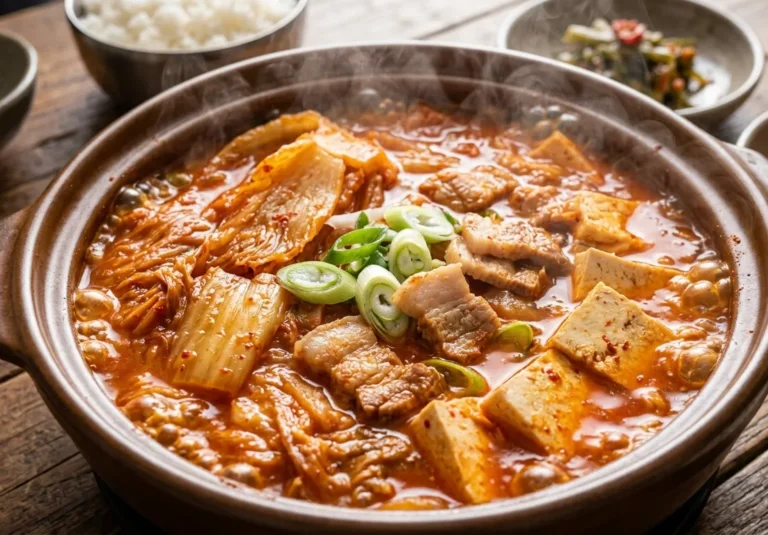
Kimchi jjigae is built on well-fermented kimchi. Why sour kimchi makes the best stew, and a step-by-step recipe.

If you have searched for information about diabetes and diet, you have probably come across claims about fermented foods. Kimchi lowers blood sugar. Sauerkraut is good for diabetics. Fermented foods fix insulin resistance. The reality is more complicated than the headlines suggest — but also more interesting. There is real scientific research on fermented foods…
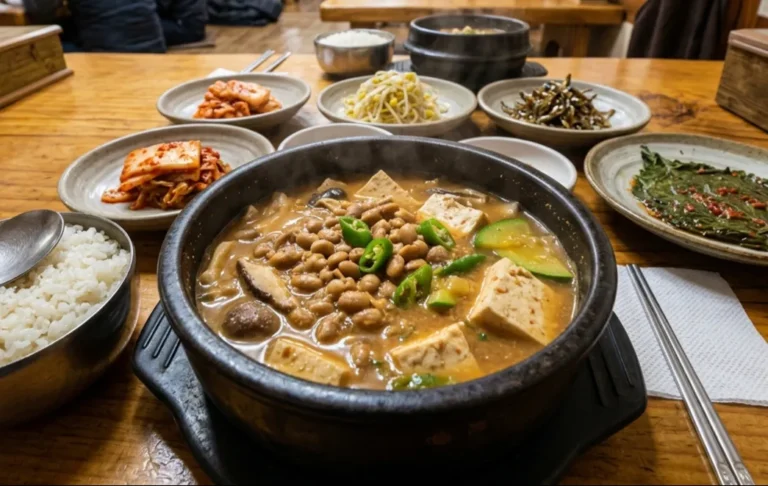
What a daily bowl of doenjang soup can and cannot do: the fermentation compounds, the limits of the evidence, sodium, and a simple recipe.

Korean households have long passed down the same advice: eat doenjang and your stomach settles, eat kimchi regularly and your skin clears up. That is folk wisdom, and it is worth separating from what research shows. Researchers do study a gut-skin axis, the idea that the gut and its microbes can influence skin through the…
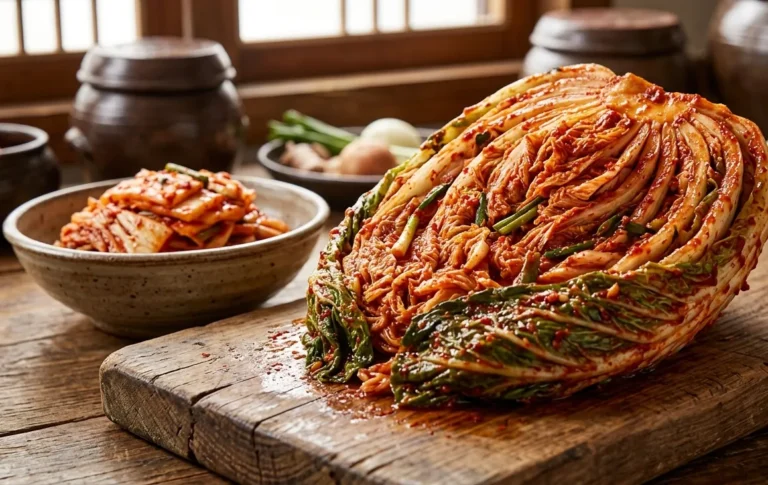
Can kimchi help with weight loss? What the research shows on probiotics, capsaicin, fiber and sodium, and what we can and cannot say.
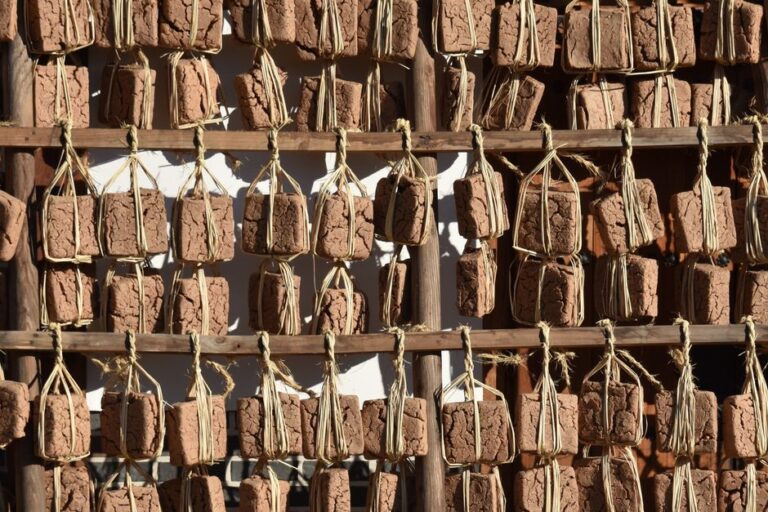
Nuruk is Korea’s grain-based wild starter for makgeolli. What lives in it, how it differs from Japanese koji, how it is made, and where to buy it.
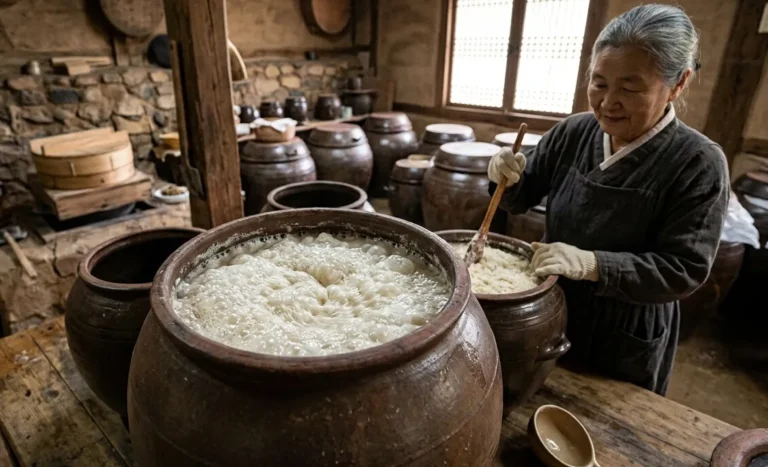
Kombucha, kefir and makgeolli compared: their origins, how each ferments, nutrition, what the health evidence shows, and which to choose.
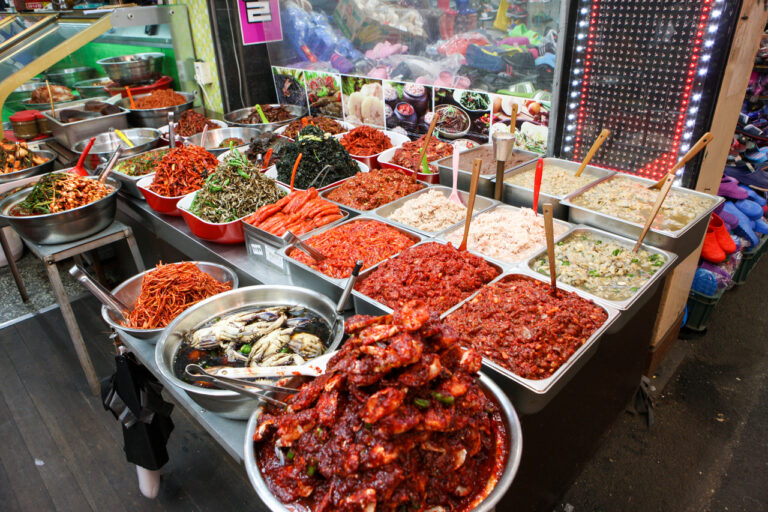
Jeotgal is Korean salt-fermented seafood. What it is, the main types, how it differs from fish sauce, how to store it, and kimchi without it.

How to brew makgeolli at home with nuruk: what lives in nuruk, how to make nuruk from scratch, and a basic rice makgeolli recipe.

Ssamjang combines doenjang and gochujang. Its background, why it tastes so deep, a classic recipe for samgyeopsal, and how to store it.