Fermentation Molds: How Aspergillus, Rhizopus, and Koji Transform Food
Not all mold is spoilage. How Aspergillus, Rhizopus and koji molds transform grains and beans in traditional fermented foods.
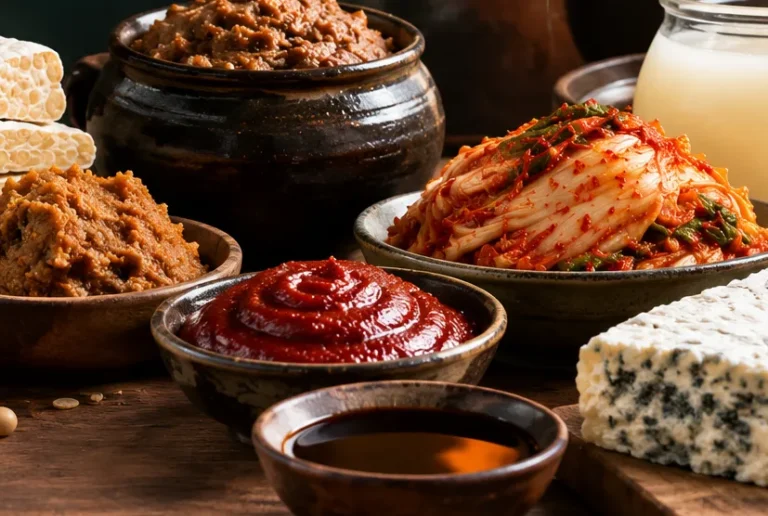
Not all mold is spoilage. How Aspergillus, Rhizopus and koji molds transform grains and beans in traditional fermented foods.

There is nothing complicated about sauerkraut. Cabbage. Salt. Time. Three ingredients. No starter culture. No special equipment. No heat. And yet what emerges from that simplicity is one of the most well-documented, most studied, and most misunderstood fermentation processes in Western food science. Sauerkraut is not pickled cabbage. It is not preserved in vinegar. It…
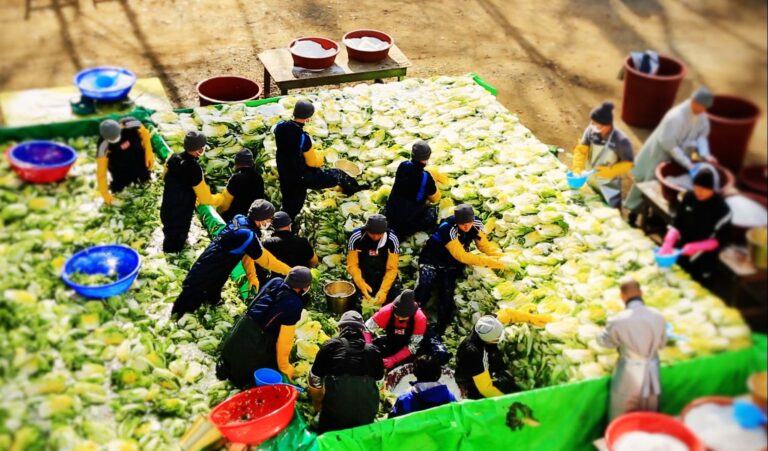
Kimjang is Korea’s late-autumn kimchi making. Why the timing matters, what happens inside the jar, and the roles of salt, jeotgal and rice paste.
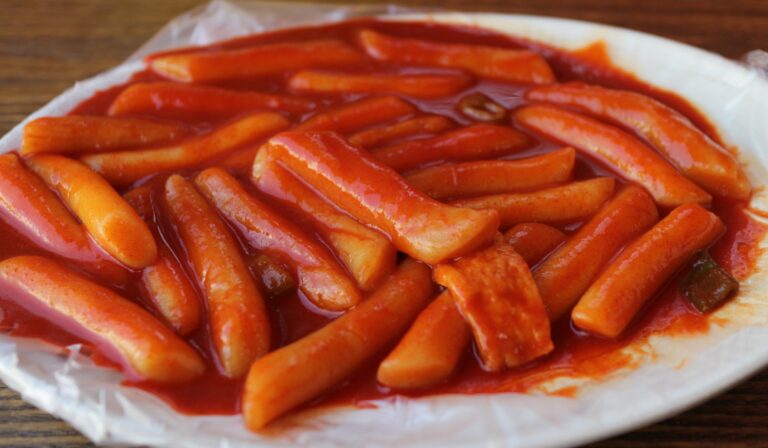
Why tteokbokki tastes the way it does: what fermentation has already done to the gochujang before it reaches the pan, and a basic recipe.
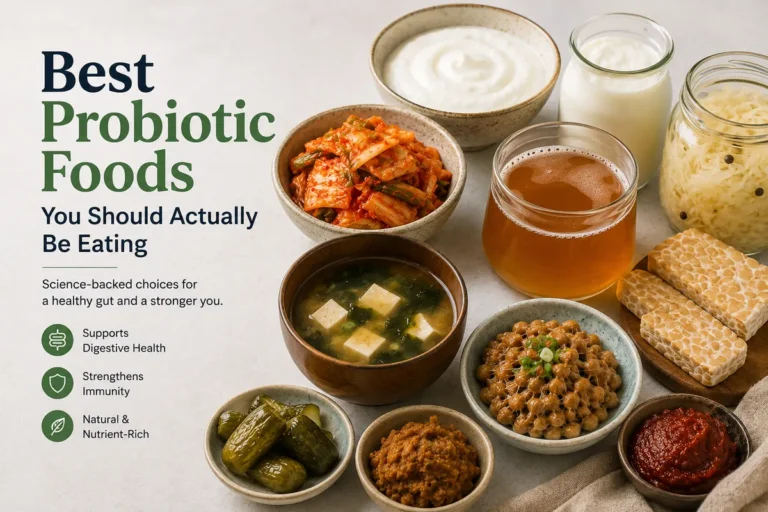
A science-based guide to the best probiotic foods, with CFU comparisons, Korean fermented foods, and how to tell if a product still has live cultures.
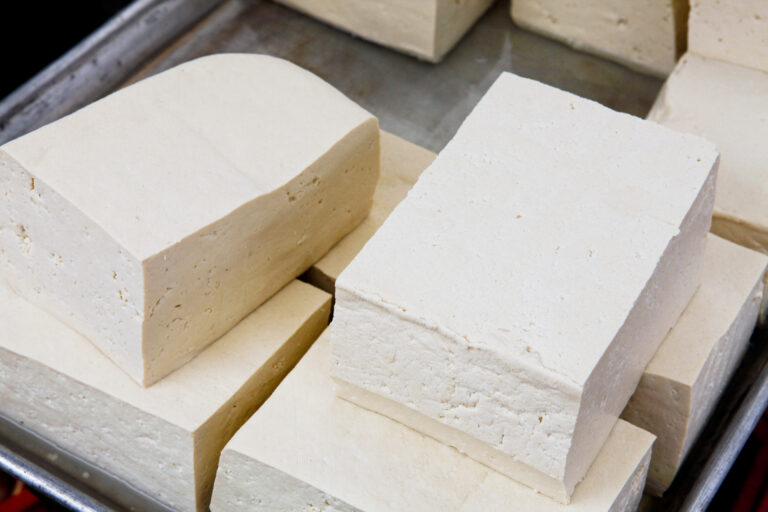
Tofu can be fermented too. How sufu and stinky tofu are made, the molds and bacteria involved, and what changes in the curd.
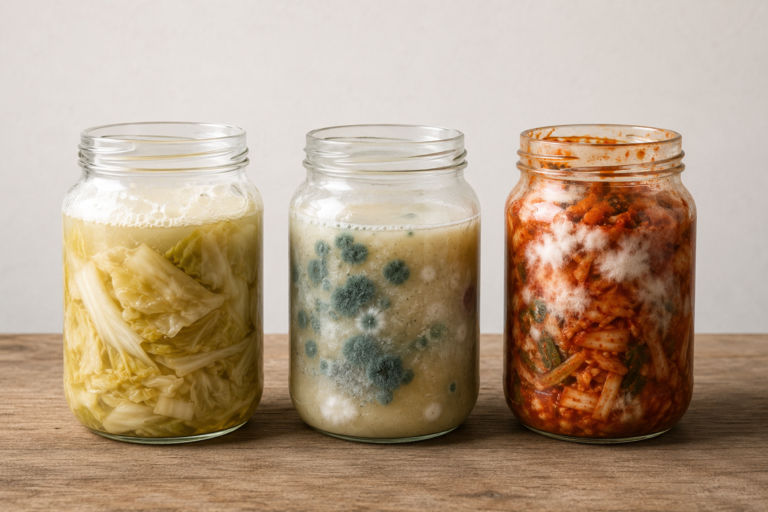
Mold, slime, mushy texture, bad smells, too much gas: how to diagnose common home fermentation failures and what to do about each.
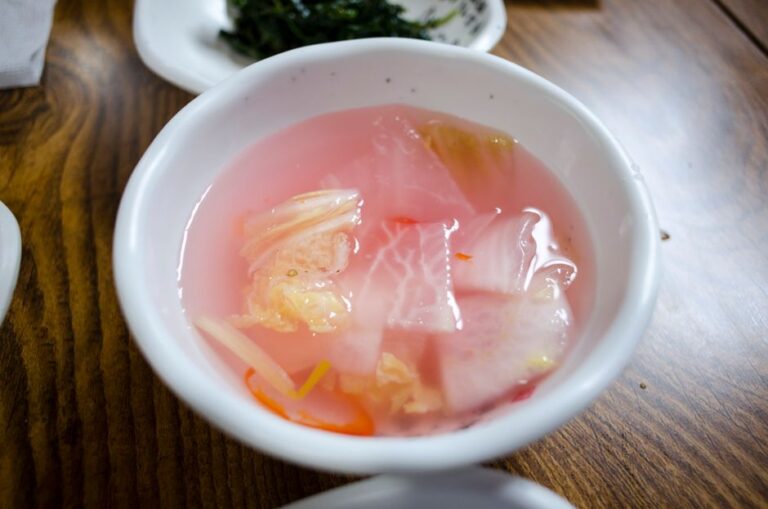
What happens in water kimchi: what ferments, why the brine turns sour and bubbly, how temperature changes it, and how to tell when it is ready.
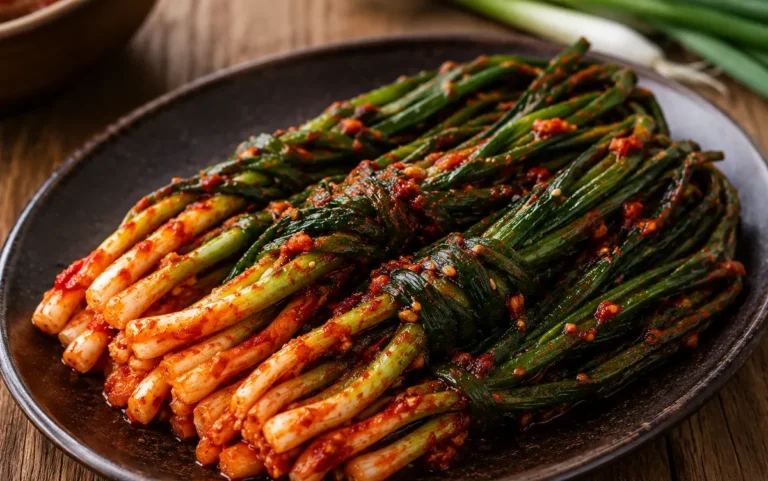
What happens when green onions ferment: how they differ from cabbage, the role of salt, why pa kimchi suits barbecue, and how to make it.

Chunjang is the dark fermented paste behind jajangmyeon. Its Chinese roots, what happens during fermentation, why it is fried first, and how to use it.