Fish Sauce Fermentation: The History and Science of Korean Eoganjang
Korean fish sauce (eoganjang): its history in Korea, the biochemistry of fish fermentation, how it differs from soy sauce, and its role in kimchi.
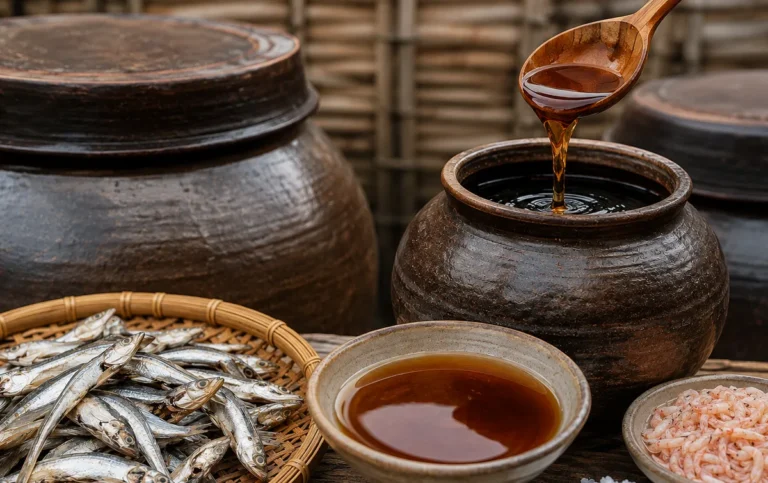
Korean fish sauce (eoganjang): its history in Korea, the biochemistry of fish fermentation, how it differs from soy sauce, and its role in kimchi.
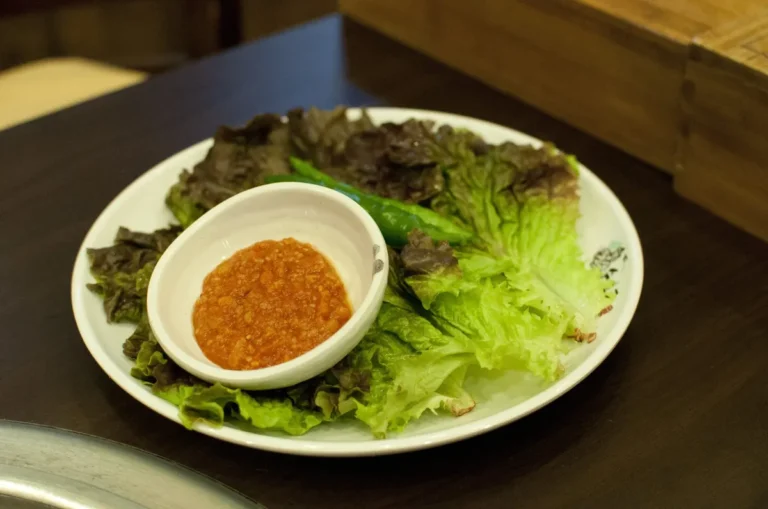
Makjang is a quick-fermented soybean paste from Korea’s Gyeongsang region. How it differs from doenjang, what goes into it, and how to make and use it.
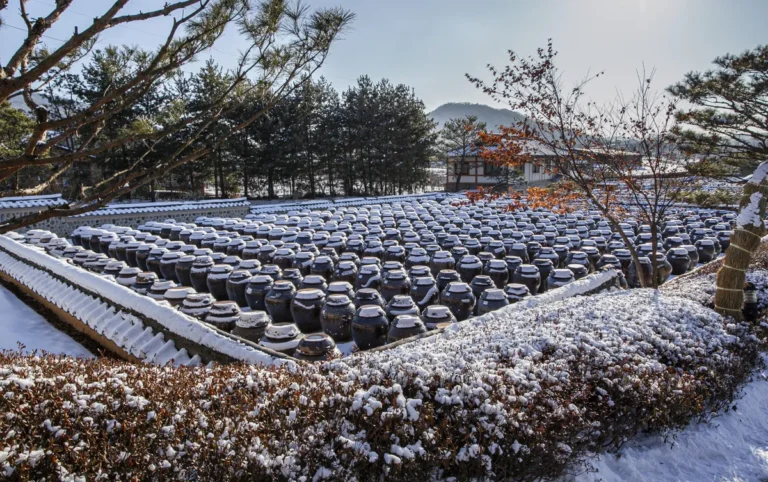
Joseon ganjang and brewed soy sauce are not interchangeable. How each is made, how they taste, and which one to use in which dish.
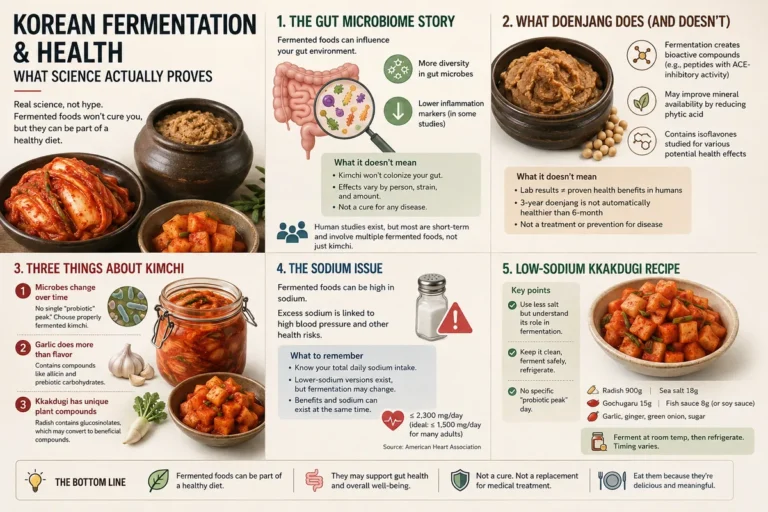
Fermented foods have a reputation problem. The wellness industry overpromises, and the science community stays cautious. The truth sits in between: there is real research on Korean fermented foods, but it is thinner and more mixed than the marketing suggests. Let’s talk about what we actually know. The Gut Microbiome Story Is Real, But Complicated…
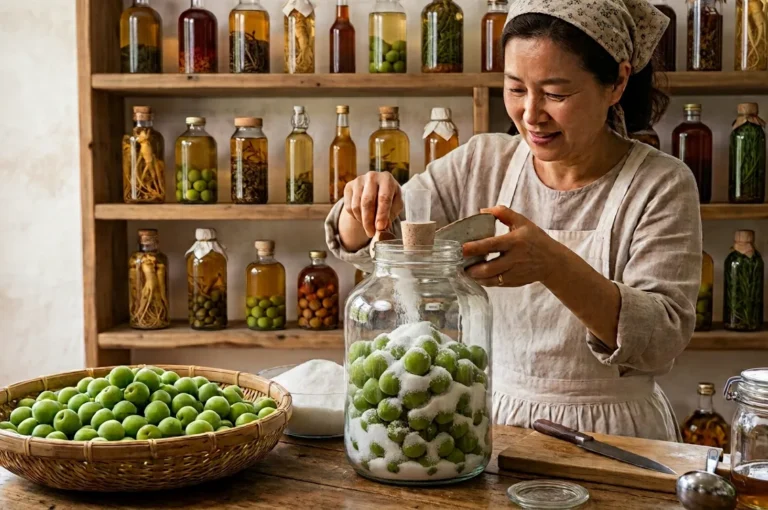
Maesil-cheong is green plum steeped in sugar. What happens in the jar, how to make it, how Koreans use it, and what the “enzyme” label means.

Mukeunji (묵은지, also mugunji) is napa cabbage kimchi aged for months or years until deeply sour and soft. How it compares with fresh kimchi, how long it takes, and how to cook it.

Oi sobagi is cucumber kimchi: scored, stuffed with a spicy filling and ready the same day. Why it ferments fast, and a 10-minute recipe.
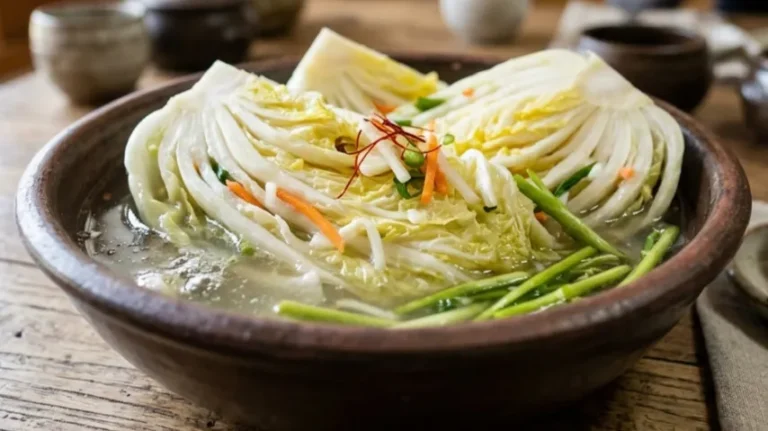
Baek kimchi is kimchi made without chili. What it tastes like, how it ferments, and why it suits people who cannot eat spicy food.
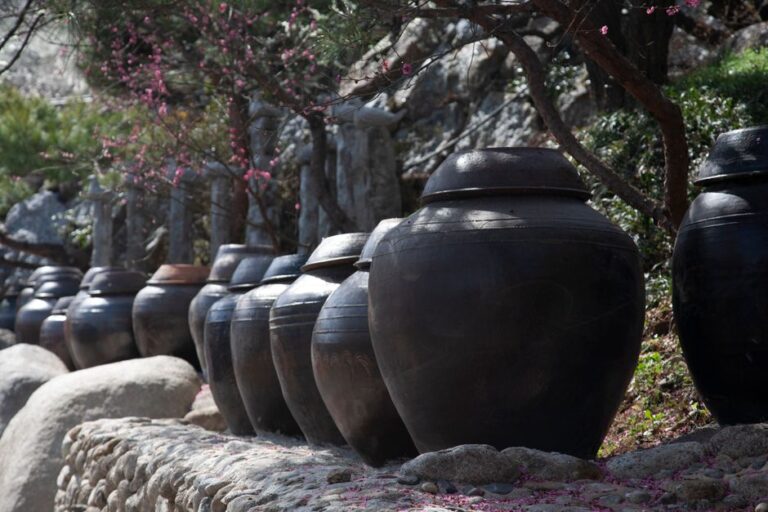
How long kimchi, doenjang, gochujang and jeotgal keep, at what temperature and in which containers, plus the signs that a ferment has gone bad.
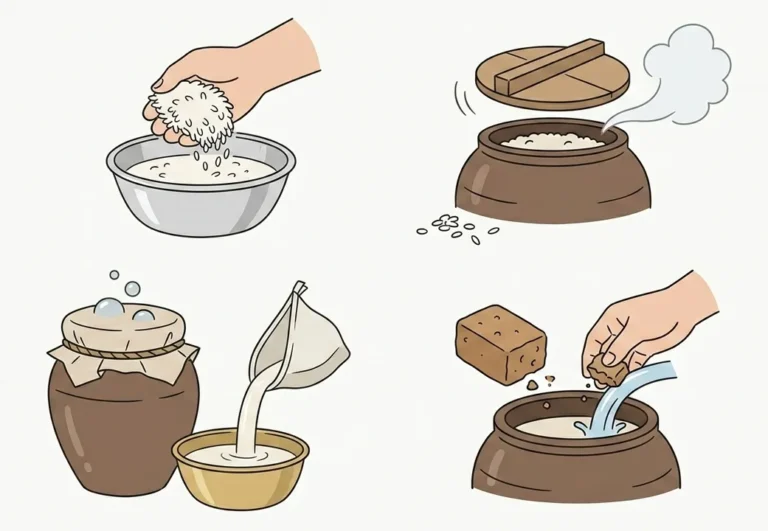
Most people try makgeolli for the first time and think it’s a mistake. It’s cloudy. It’s thick. It smells faintly of bread dough and wet grain, and the flavor hits somewhere between sweet, sour, and something almost funky. They assume it went bad. It didn’t. That’s just what makgeolli is — and once you understand…