Cheonggukjang: The Fermented Power Behind the Smell
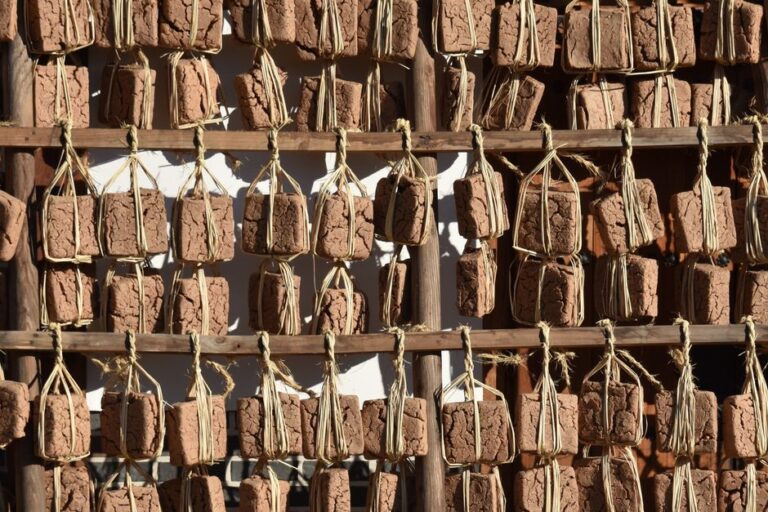
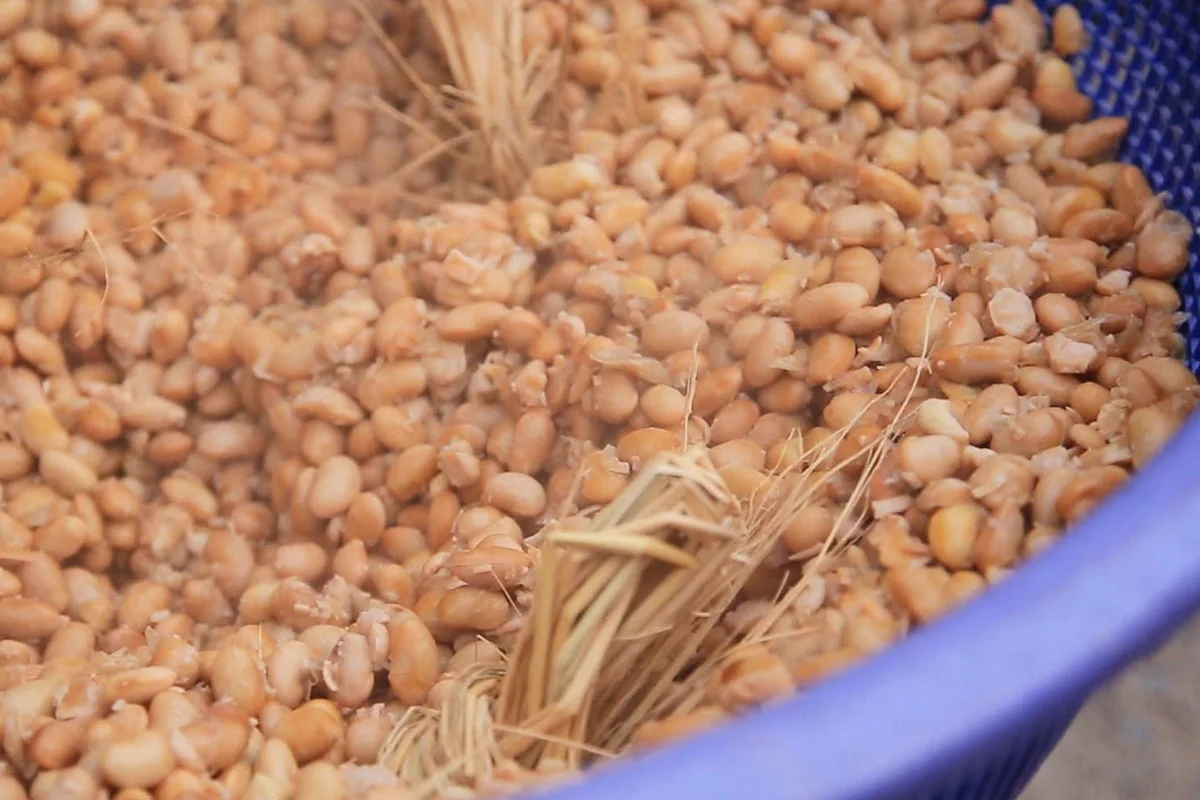
Photo: 한국교육방송공사 (EBS) via Gongu Madang (공유마당), CC BY. Cropped from the original.
Cheonggukjang ferments in two to three days.
That speed is unusual. Most Korean fermented soybean products, such as doenjang, ganjang, and gochujang, take months. Cheonggukjang takes less than a week because it relies on a single, aggressive bacterium: Bacillus subtilis.
This organism produces powerful proteases that break down soy proteins rapidly, generating free amino acids, ammonia, and the sticky polyglutamic acid threads that give cheonggukjang its characteristic texture. The intense smell that accompanies the process is not spoilage. It is the chemical signature of fast, concentrated protein hydrolysis.
What’s That Smell? It’s a Signal, Not a Warning
Most people who encounter cheonggukjang for the first time call it a “rotten smell.” That’s half right. The core of the cheonggukjang aroma comes from two things: ammonia and pyrazine-class compounds. Both are byproducts of Bacillus subtilis (the hay bacillus, or gochokgyun in Korean) breaking down soy protein.
Bacillus subtilis occurs naturally on rice straw and in the air. When it multiplies in a warm environment around 40°C (104°F), it aggressively breaks soy protein into smaller and smaller pieces. That process generates a large amount of amino acids. Some of those amino acids break down further and release ammonia as a gas. That’s the sharp smell that hits your nose.
But here’s the thing — that breakdown process is exactly the point. When protein gets split into amino acids, your body doesn’t have to do that work anymore. Raw soybeans are notoriously hard to digest. Cheonggukjang arrives already “pre-digested” by the bacteria. Protein breakdown by B. subtilis is one reason the food is easier to eat than raw soybeans. How much this changes nutrition for the person eating it has not been well measured. The smell is unpleasant, but it’s also a sign the fermentation is doing exactly what it should.
Short Fermentation, Big Changes — How Is That Possible?
Doenjang takes months. Ganjang (soy sauce) takes years. Cheonggukjang takes two to three days. That might make you skeptical. But Bacillus subtilis reproduces at a pace that other fermentation microbes simply can’t match. Under the right conditions, it divides roughly every 20 minutes. Within 48 hours, an enormous population of bacteria covers every soybean in the batch.
During that short window, several notable compounds are produced:
- Nattokinase: An enzyme made by B. subtilis that breaks down fibrin, a protein in blood clots, in laboratory and animal studies. Whether eating cheonggukjang has such an effect in people has not been shown, and cooking reduces enzyme activity.
- Poly-gamma-glutamic acid (PGA): The sticky, stringy substance you see when you stir cheonggukjang. Those stretchy threads are PGA. It’s produced entirely by the bacteria, not the soybeans themselves.
- Isoflavones: Soybeans already contain isoflavones, but fermentation may convert them into more bioavailable forms. Some human studies suggest the free (aglycone) forms found in fermented soy are absorbed faster, but other studies found little difference, so the size of any advantage is debated.
Doenjang and ganjang develop their own complex flavor compounds through long aging. Cheonggukjang takes a different path — concentrated, highly active bacterial fermentation over a short burst of time. Different direction, not a lesser product.
How to Make Cheonggukjang at Home — Full Recipe
Store-bought versions are widely available, but making it yourself lets you watch the fermentation happen in real time. The ingredient list is almost nothing. And if something goes wrong, you haven’t lost much.
Ingredients
- 500g dried meju soybeans (yellow soybeans)
- A small handful of rice straw (or 1 tablespoon of store-bought cheonggukjang as a starter)
- An insulated container (a cooler box or dedicated fermentation appliance)
- Warm water, cheesecloth or a thin cotton cloth
Steps
- Step 1. Wash the soybeans thoroughly and soak them in water for at least 12 hours. They should more than double in size.
- Step 2. Drain and cook the soaked beans in a pressure cooker. Bring to high pressure, then reduce to low and cook for 40 minutes. The beans are ready when they crush easily between two fingers.
- Step 3. Drain the cooked beans in a colander. Do not let them cool completely. You want them around 45°C (113°F) when you move to the next step.
- Step 4. Blanch the rice straw in boiling water for 30 seconds to sanitize it. Lay the straw on a cotton cloth, place the warm beans on top, and fold the straw around them. If you don’t have rice straw, toss the warm beans directly with 1 tablespoon of store-bought cheonggukjang instead.
- Step 5. Wrap everything in the cloth and place inside your cooler box. Add a sealed plastic bottle filled with hot water to maintain temperature. Target: 40–45°C (104–113°F).
- Step 6. Replace the hot water bottle every 12 hours. If using a fermentation appliance, set it to 42°C (108°F).
- Step 7. After 48 to 72 hours, check for a whitish, sticky coating on the beans, stringy threads when you stir, and a strong ammonia-like smell. That means it’s done. If it smells rotten rather than ammonia-like, or looks dry or discolored, discard it.
- Step 8. Store finished cheonggukjang in the refrigerator for up to 5–7 days, or freeze for up to 3 months.
Tips That Actually Matter
- Temperature at inoculation is everything. If the beans cool down too much before they contact the straw or starter, the bacteria won’t take hold. Keep the beans above 45°C when introducing the culture.
- Don’t peek constantly. Opening the container drops the temperature. Check every 12 hours, not more.
- Watch for over-fermentation. If the beans turn dry or discolored, or smell sharply bitter or rotten rather than ammonia-like, the batch has gone wrong. For the best flavor balance, pull it at 48 hours rather than stretching to 72.
Food Safety for Homemade Cheonggukjang
Holding cooked beans at 40–45°C for two to three days is warm, moist, and protein-rich, which suits Bacillus subtilis but can also suit other bacteria. Bacillus cereus, a related bacterium that can cause food poisoning, is a recognized concern in traditionally made fermented soybean foods. Use clean equipment, fresh beans, and a thermometer, do not extend the fermentation, and discard the batch if it smells rotten. Pregnant women, young children, older adults, and people with weakened immunity should buy cheonggukjang from a reputable producer rather than eat a home batch. The method below is a traditional approach, not a tested food-safety protocol.
How to Cook Cheonggukjang Jjigae the Right Way
A lot of people avoid it because of the smell. But the way you cook it has a big effect on how strong that smell ends up being.
Add the cheonggukjang last. Long boiling drives off more of its aroma, so add it 2–3 minutes before turning off the heat. It also keeps the stew tasting fresher.
Mix in a spoonful of doenjang. Pure cheonggukjang stew can taste flat and the raw edge of the smell comes through more strongly. A single tablespoon of doenjang as a base rounds out the flavor and softens the aroma.
Use a proper stock. Cheonggukjang needs something underneath it. A light broth built from dried anchovies and kelp gives the stew structure. Without it, the whole thing tastes thin.
If the smell during cooking genuinely bothers you, open a window. It’s intense while it’s on the stove. By the time the bowl hits the table, it’s noticeably calmer.
What to Know Before You Eat It Regularly
Cheonggukjang is on the saltier end of fermented foods. Store-bought versions often contain 700–1,000mg of sodium per 100g depending on the brand. If you’re eating it as a stew and drinking the broth, your daily sodium intake adds up fast. People with high blood pressure or reduced kidney function should be mindful of portion size. The WHO recommends that adults keep sodium under 2,000 mg a day, which is about 5 g of salt.
Homemade cheonggukjang made without added salt has almost no sodium. If you want the fermented benefits without the sodium load, try it raw — mixed with tofu, eaten over rice, or as a simple side. No cooking required, and nothing is lost.
If you take warfarin or another anticoagulant, talk to your doctor before eating cheonggukjang regularly. Fermented soy foods such as natto are high in vitamin K, which can interfere with warfarin, and nattokinase has also been studied for effects on clotting.
Cheonggukjang may offer benefits as part of a balanced diet, but it is not a treatment or cure for any condition. Eating more of it will not fix a health problem on its own.
About This Article
The author, Hoon Kwak, has worked in food distribution for about 20 years, and his family made meju and looked after jang crocks. For a comparison with the Japanese food, see cheonggukjang vs. natto.
Frequently Asked Questions
Why does cheonggukjang smell so strong?
Mostly ammonia and other compounds released when Bacillus subtilis breaks down soy protein. A sharp ammonia-like smell is normal, while a rotten smell is not.
Is cheonggukjang probiotic?
It contains Bacillus bacteria, but no human trial has shown a health benefit at a defined dose. See which fermented foods have live cultures.
How is it different from doenjang?
Cheonggukjang ferments in days with Bacillus. Doenjang ferments for months with a mix of molds, yeasts, and bacteria. See how doenjang is born.
Sources
- World Health Organization. Salt reduction fact sheet.
This content is for informational purposes only and is not medical advice.